


Author Archives: maryjane

For the love of farming …

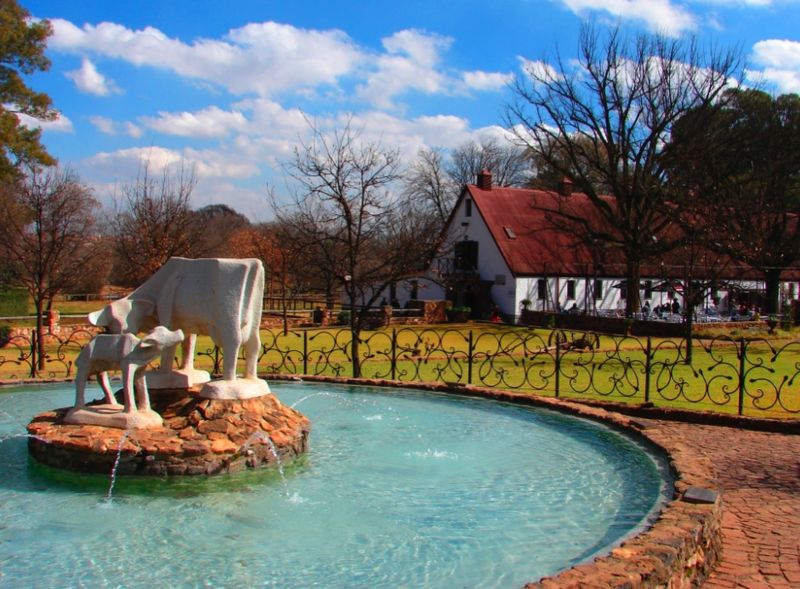
800px-The_Irene_Dairy_Farm_yard

The Irene Dairy Farm’s unique Barn, fountain and farmyard, by Monxdavies via Wikimedia Commons

Wendell Berry said, “Why do farmers farm, given their economic adversities on top of the many frustrations and difficulties normal to farming? And always the answer is: ‘Love. They must do it for love.’ Farmers farm for the love of farming. They love to watch and nurture the growth of plants. They love to live in the presence of animals. They love to work outdoors. They love the weather, maybe even when it is making them miserable. They love to live where they work and to work where they live. If the scale of their farming is small enough, they like to work in the company of their children and with the help of their children. They love the measure of independence that farm life can still provide. I have an idea that a lot of farmers have gone to a lot of trouble merely to be self-employed to live at least a part of their lives without a boss.”

That just about says it all. We all know about famous farmers like Wendell Berry, Jimmy Carter, and Barbara Kingsolver. But it might surprise you that some people who have become very successful in other areas just can’t resist the urge to farm. They don’t need the money; they don’t need the bounty; and they certainly don’t need the headaches. Why do they do it? They must do it for love!
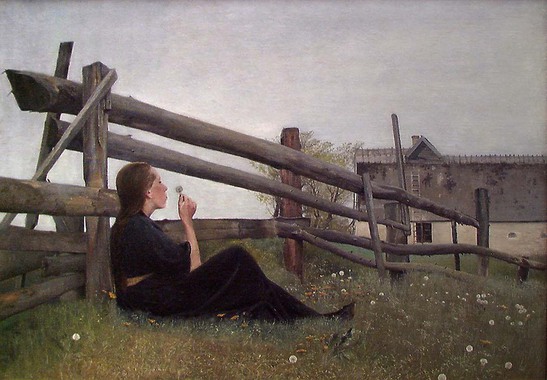
LA_Ring_I_juni_måned

Laurits Andersen Ring – National Gallery of Norway via Wikimedia Commons

Here are a few of the famous farmers among us that just might surprise you …

Prince Charles, the Prince of Wales, has been a passionate advocate of organic farming since the 1980s, and is now an outspoken opponent of GMOs. “It is now 14 years since I first suggested that organic farming might have some benefits and ought to be taken seriously. I shall never forget the vehemence of the reaction … much of it coming from the sort of people who regard agriculture as an industrial process, with production as the sole yardstick of success.”

Comedian Roseanne Barr lives on an organic macadamia nut farm in Hawaii. “I’m a farmer now, and it’s fantastic. My goal is to be totally self-sufficient and grow everything that I eat. There’s something about earning your dinner that’s cool. I got the fame and the fortune that I always wanted. But I have to say what I have now, it’s even better.”

Actor Russell Crowe owns a 1,400-acre ranch in Australia where he raises over 700 head of Black Angus cattle. “It’s a total oasis. You go to the farm, and if you let the rhythm of the farm be your rhythm and dominate, whatever’s going on in your mind, you can settle it down and sort it out,”

Actress Nicole Kidman and her husband, singer Keith Urban, have both a cattle ranch in Australia and a farm in Nashville, where they raise alpacas and vegetables.

Actress Reese Witherspoon has a farm in Ojai, California, where she raises goats, pigs, and miniature donkeys. “It’s so good for the kids to learn about animals and kindness and compassion. I make them clean the stalls.”
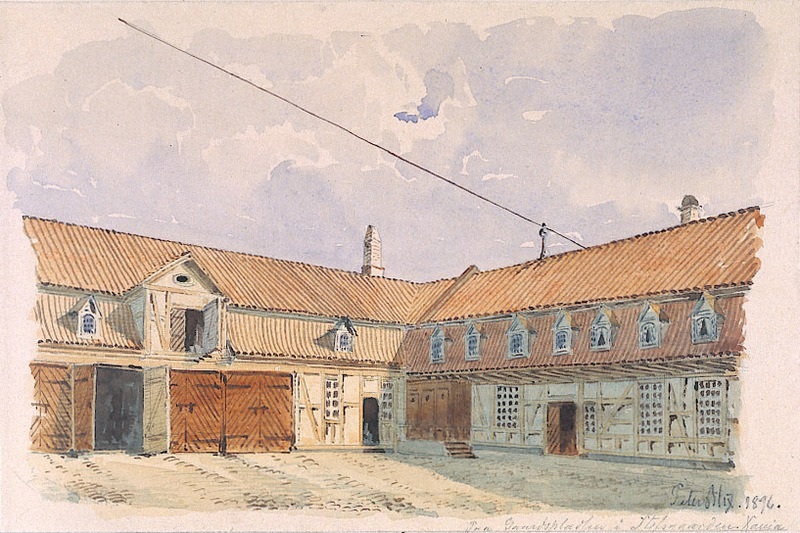
Stiftsgården,_Rådhusgt__13,_gårdsinteriør_OB_00671

Peter Andreas Blix – Oslo Museum via Wikimedia Commons

Actor Tom Selleck grows 63 acres of avocados on his ranch in California; actor Jamie Foxx grows avocados right next door. Singer Jason Mraz also grows avocados near San Diego, where he harvests 30,000 pounds of the fruit a year!

Actress Elizabeth Hurley has a 400-acre organic farm in Gloucester, England, and recently launched a line of all-natural snack bars from food produced on her farm.

Actor Mark Ruffalo lives on a 50-acre former dairy farm in New York, where he grows strawberries and hay and plans to raise sheep.

photo-of-the-day

farm_romance-7272

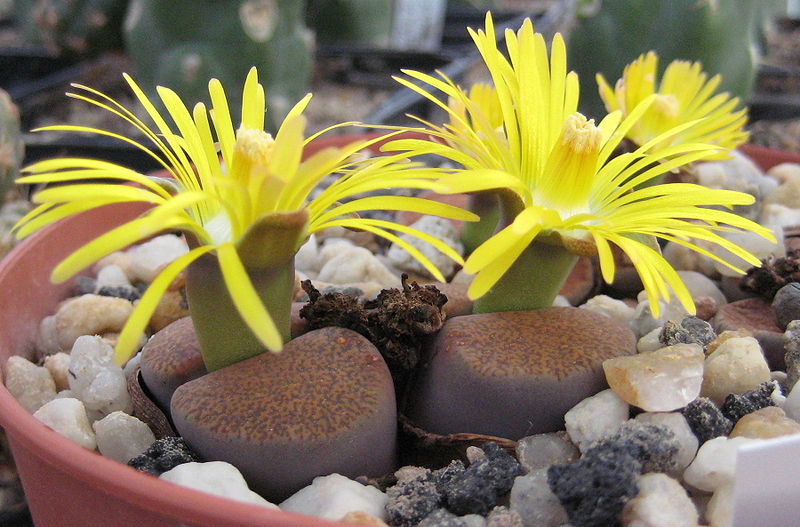
lithops

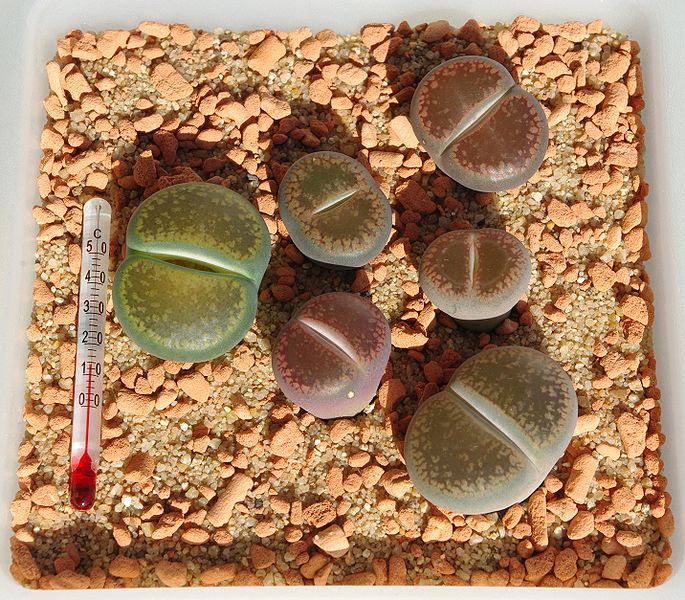
Go ahead, take a guess:

685px-Lithopsaucampiae

Photo by Yellow Cloud via Wikimedia Commons

Animal, vegetable, mineral … or alien?

556px-Lithops_aucampiae_002

Photo by Amada44 via Wikimedia Commons

Leaning toward alien, aren’t you?

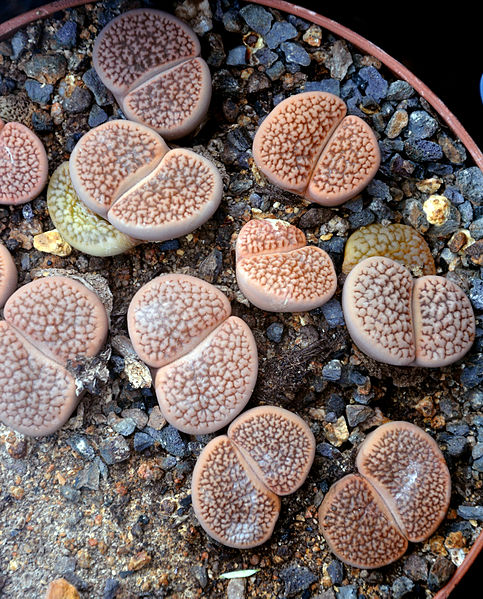
Here’s a hint:

483px-Lithops_hookeri_001

Photo by Amada44 via Wikimedia Commons

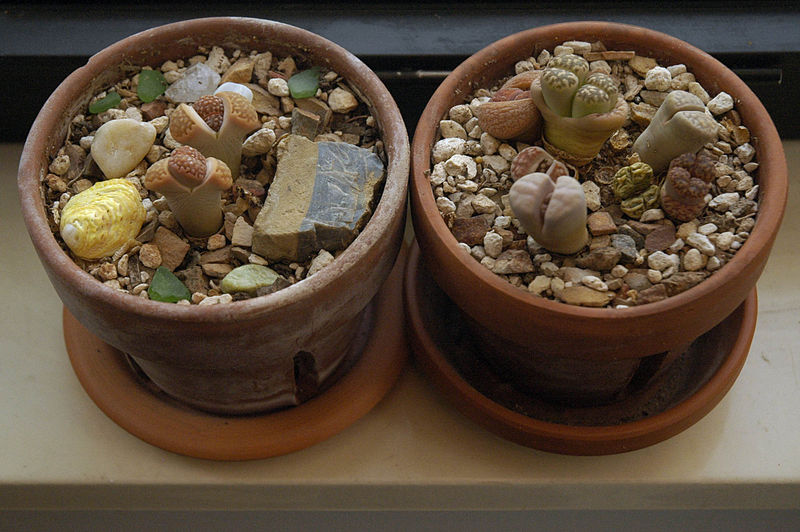
Note the pot in which they’re planted.

These little curiosities are, indeed, vegetable. Formally known as lithops (a genus that contains several species), they are succulent plants commonly called “living stones” or “pebble plants.” You can see why.

800px-Lithops_dividing

Photo by Anselm Bradford via Wikimedia Commons

“Lithops are true mimicry plants: their shape, size, and color causes them to resemble small stones in their natural surroundings. The plants blend in among the stones as a means of protection. Grazing animals, which would otherwise eat them during periods of drought to obtain moisture, usually overlook them. Even experts in the field sometimes have difficulty locating plants for study because of this unusual deceptive camouflage,” explains enthusiast Nick Rowlette. “In the wild, lithops inhabit vast dry regions of southern Africa. Several areas in which these plants grow receive less than two inches of rainfall per month throughout the entire year.”

And, here’s the really cool part: Lithops do this:

800px-Lithops_lesliei_ssp__lesliei_v__mariae_Cole_141_05

Photo by Michael Wolf via Wikimedia Commons

You want some now, don’t you?

Well, then, awaken your inner dormant gardener from her winter sleep and indulge your newfound lithop love! It’s easy:

Order live lithops from a U.S. Etsy shop like San Pedro Cactus or try your hand at starting seeds from Whatcom Seeds Company. The seeds germinate within 14 days and, once started, need no water from fall until spring.

photo-of-the-day

farm_romance-4426

Hear Ye!

Welcome New Sisters! (click for current roster)

Merit Badge Awardees (click for latest awards)

My featured Merit Badge Awardee of the Week is … Nancy Boyd!!!

Nancy Boyd (#2508) has received a certificate of achievement in Stitching & Crafting for earning a Beginner Level Spinning Merit Badge!

“Ever since I was little and was in a couple 4-H groups growing up and spending time around the animal barns and fairgrounds, I remember seeing ladies spinning on their wheels in the sheep barns. My aunt and uncle had sheep when I was growing up, and that added to my fascination for wanting to learn to spin. Within the last three years, I joined the local Weaver’s Guild in the Columbus, Ohio, area. In the last year, I have purchased around 8 sheep fleeces so I could learn to scour and card the fiber.

Then I used the fiber to work on learning to use both the drop spindle and wheel to spin up some yarn for me to use. I now have these 8 fleeces in plastic containers, and on one of them, I have been practicing doing my carding both by hand and drum. The fleece that I have carded has turned out gorgeous. Even my cousin who raised and showed sheep said it felt soft.

GEDC0006

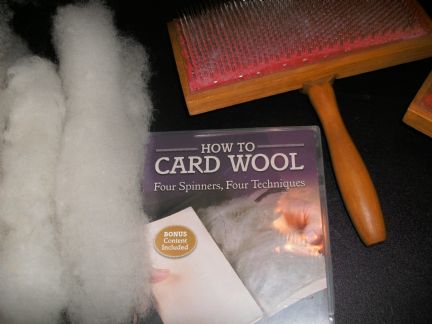
This past August (2014), I participated in the Sheep to Shawl demonstration at the Ohio State Fair, where I worked on carding fleece while other ladies worked on spinning and weaving items while there was a sheep shearing contest going on at the same time in the same ring. It was a lot of fun. One of the guild members helped me out to fine tune my approach to carding. This past week, I sat down and watched a DVD on Carding Wool that had four different individuals on it and how they carded wool. While watching the DVD, I carded some fiber, trying each of these individual methods to see which way I preferred to card.

The whole process turned out great. I did settle on one way to card some fiber. Watching the DVD and the help from one of our guild members has helped me improve on carding fibers. Now I just need to keep practicing and carding all this fine fiber that I purchased and scoured. I will save and use some for my dyeing badge, and spin some to use for my other spinning badges. I am so excited to finally learn a new craft that has been on my bucket list before it was called a bucket list.”

photo-of-the-day

farm-romance_Snowball_Fight

photo-of-the-day

Farm_Romance-7316

photo-of-the-day

farm_romance-4077

Mad Honey

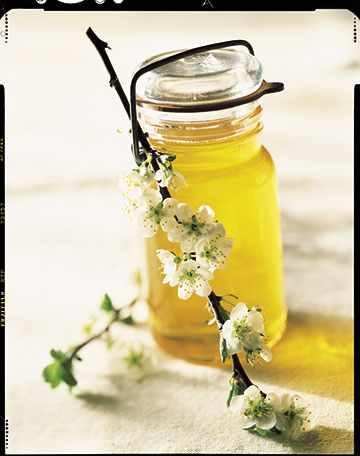
Are you mad for honey?

honey-02

Photo courtesy National Honey Board, Honey.com

Did you love our tour of worldwide beehives earlier this year? Well then, you’ll want to hop aboard the Jane train as we venture off to the Black Sea region of Turkey in search of a mysterious variety of mountain honey that may be as treacherous as it is tantalizing …

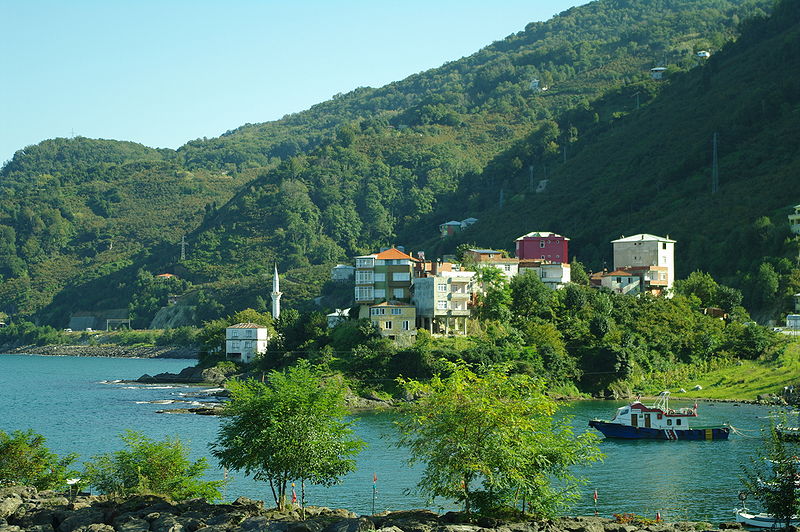
800px-Güburnu_Espiye_Giresun_Turkey

Photo by Dr. Zeynel Cebeci via Wikimedia Commons

As we arrive in the beautiful port of Gulburnu, a small seaside village in Turkey’s Giresun province, the scenery looks peaceful and picturesque. Not a trace of … madness. Let’s have a look around. Hmmm … all is quiet as we ascend the slopes above town.

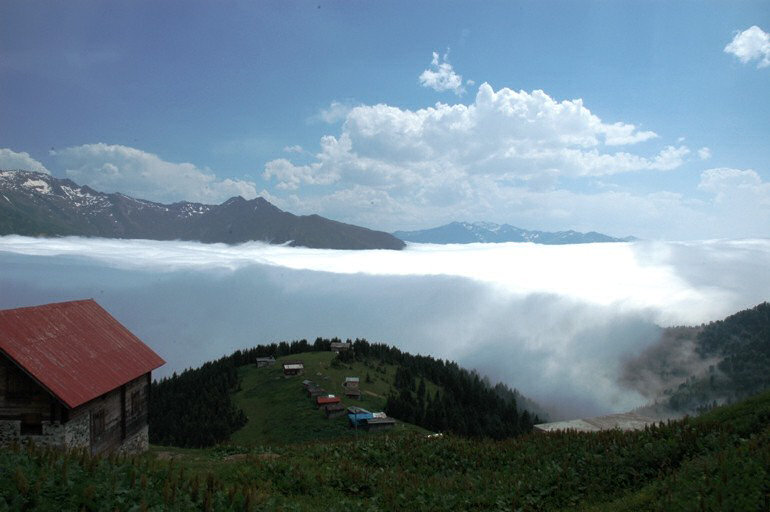
Rizemountain2

Photo of mountains on Turkey’s Black Sea coast by Gardenlantern via Wikimedia Commons

Who might we ask about the honey known locally as deli bal … Hello? Excuse me, can you tell us where we might find deli bal? HELLO!?

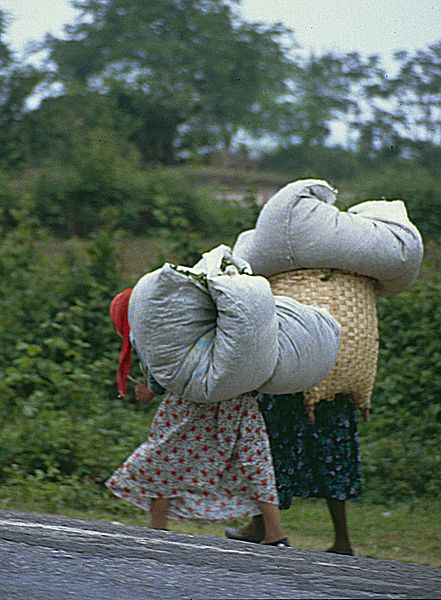
OTSchwarzteeErnte1

Photo by Ziegler175 via Wikimedia Commons

Can you imagine? They never even stopped to look at us! Perhaps that’s the reaction we should expect when asking about a type of honey that has, at least once in history, been used as a weapon of war.

It’s true.

“In 67BC, King Mithridates’ army left chunks of ‘mad honeycomb’ in the path of the Roman enemy, who gobbled it up, lost their minds, and were promptly slain,” reports The Guardian.

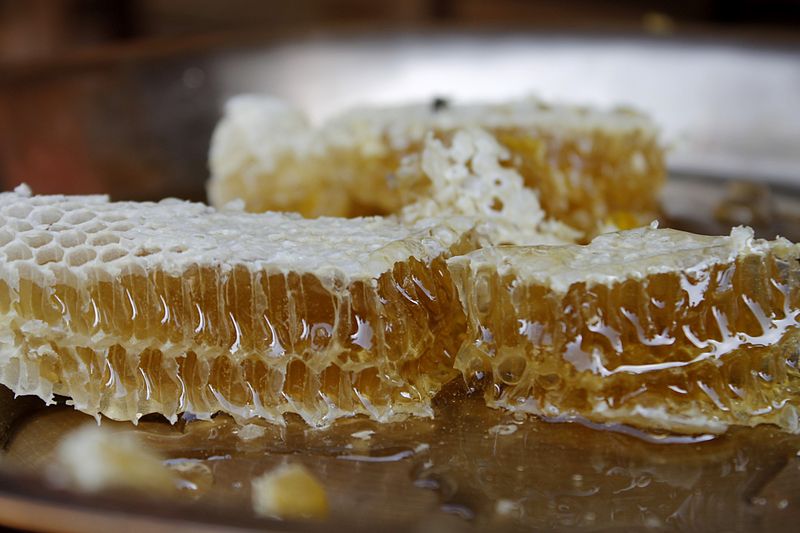
Organic_Honey_(1)

Photo by Skrissh2013 via Wikimedia Commons

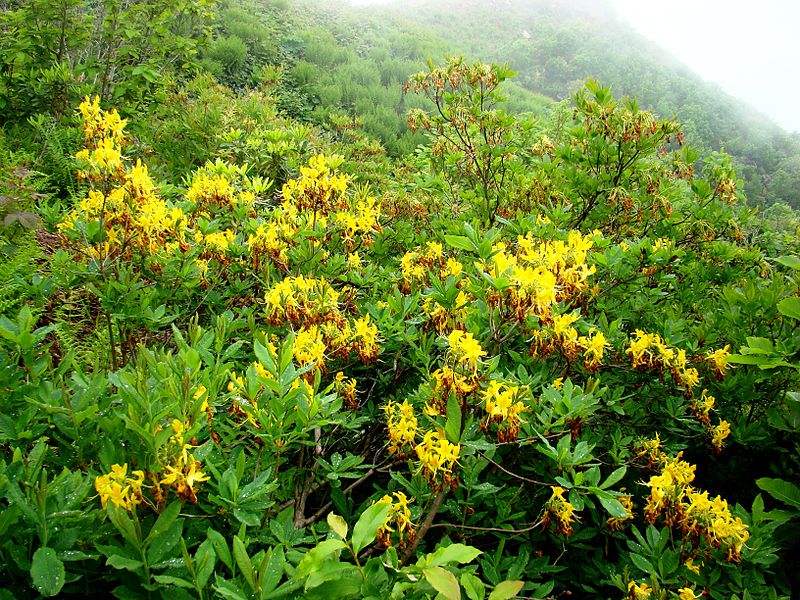
Deli bal, or orman komar bali (rose of the forest honey), is rare regional honey produced by the pollination of certain rhododendron varieties that contain a natural poison called grayanotoxin.

800px-Sarı_çiçekli_ormangülü-1

Photo of toxic Turkish Rhododendron luteum by Karduelis via Wikimedia Commons

According to Emma Bryce of Modern Farmer, “In Turkey, not only do the poisonous rhododendrons abound, but the humid, mountainous slopes around the Black Sea provide the perfect habitat for these flowers to grow in monocrop-like swaths. When bees make honey in these fields, no other nectars get mixed in—and the result is deli bal, potent and pure.”

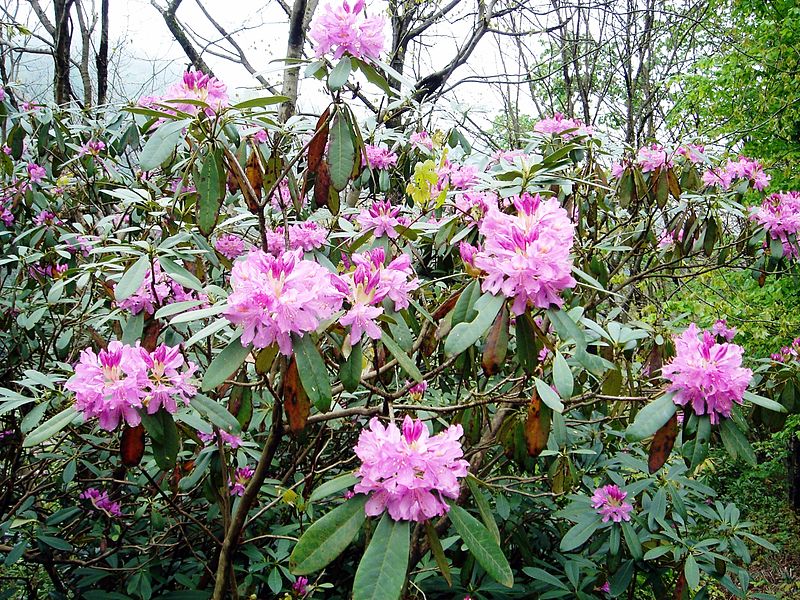
Rhododendron_ponticum_03630

Photo of toxic Turkish Rhododendron ponticum by Karduelis via Wikimedia Commons

While “mad honey” is rarely fatal, consuming more than minute amounts can cause low blood pressure, heartbeat irregularity, nausea, numbness, blurred vision, fainting, potent hallucinations, and seizures.

No wonder no one wants to tell us where to find it! Mum’s the word …

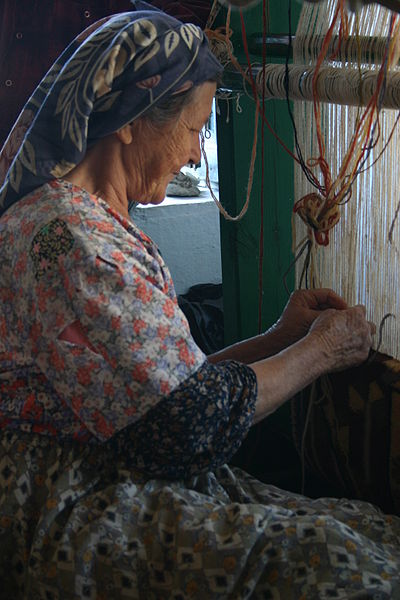
Turkish_woman_weaving_carpet

Photo by Seattle Globalist via Wikimedia Commons

“People believe that this honey is a kind of medicine,” Süleyman Turedi, a doctor at Turkey’s Karadeniz Technical University School of Medicine, told Bryce. “They use it to treat hypertension, diabetes mellitus, and some different stomach diseases.” He went on to say that deli bal is taken in small amounts, sometimes boiled in milk, and consumed typically just before breakfast.

That is, if you dare.

“If you do find yourself in the area and want a taste, you’ll have to dig a bit deeper than supermarket shelves,” Bryce advises. “Ask nicely, and chances are most local shopkeepers will hand over a jar from a stash tucked behind the counter, adding to the old-world mystery of it all.”

So, tell me … would you dare?

photo-of-the-day

Farm_Romance-7077