


Author Archives: maryjane

Hear Ye!

Welcome New Sisters! (click for current roster)

Merit Badge Awardees (click for latest awards)

My featured Merit Badge Awardee of the Week is … Sharon Demers!!!

Sharon Demers (Calicogirl, #5392) has received a certificate of achievement in Make it Easy for earning a Beginner, Intermediate, and Expert Level Grease Chicks Merit Badge!

“I am familiar with checking oil level, coolant level, brake fluid, power-steering fluid, transmission fluid, and windshield-washer fluid. I also know how to check air pressure in my tires and fill as needed. I have kept a mileage record. In our GMC Diesel pick-up, the average miles per gallon is 17, 20 mpg on the highway.

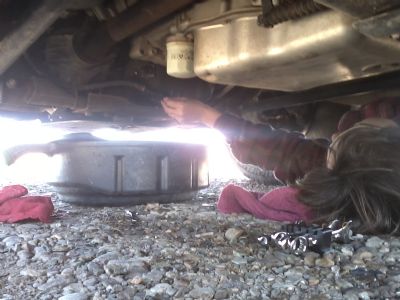
I completed my first oil change.  My husband guided me step by step on what to do. Thankfully I didn’t get too dirty. In addition to changing the oil in our truck, I also challenged myself in replacing spark plugs, replacing spark-plug wires, and changing the engine coolant. Next on the list … tire changing!

I am grateful to now know how to do this on my own. I feel that this is a great accomplishment. Oh, and my honey was very gracious in taking my picture … not!

Thank you for this Merit Badge. It is a good reminder and teacher of being able to take care of one’s own vehicle.”
1227131207-01


photo-of-the-day

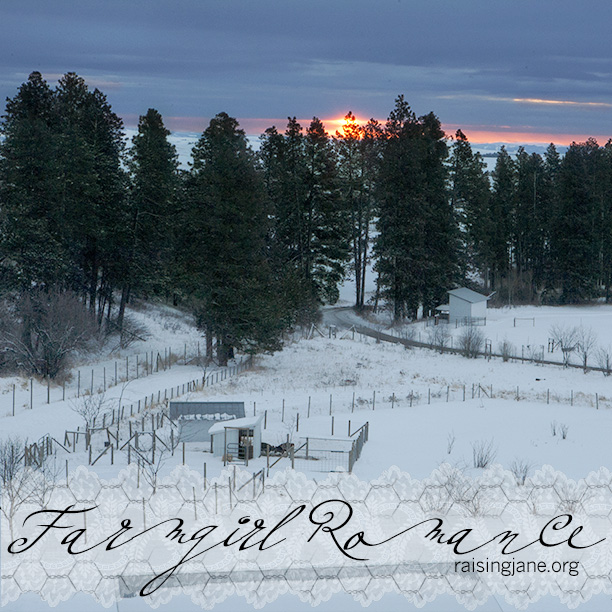
Snowline_Sunset

Bee a Helper

We care, and we talk, and we hope.

And, one day …

People everywhere begin to ACT.

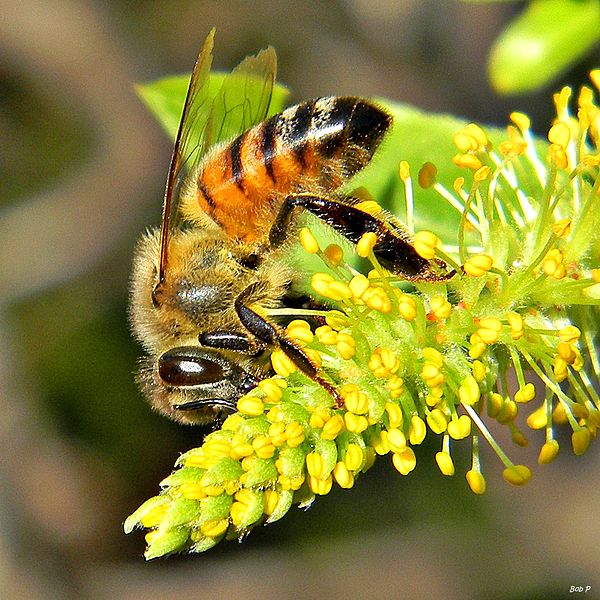
Such is the case in Minnesota, where the fate of bees is finding its way into the hearts and actions of concerned citizens.

600px-Honey_Bees_in_Willow_Trees_(8345531686)

Photo by Bob Peterson via Wikimedia Commons

Earlier this month, beekeepers Kristy Allen and Erin Rupp set out to mobilize a public meeting. Kristy and Erin are the founders of Beez Kneez, a Minneapolis bicycle honey-delivery and bee-education group, and they were among many area apiarists who lost hives due to fungicide last fall. The chemical cause was identified by University of Minnesota bee researcher Marla Spivak.

It was time to act.

The gals sent out invitations via social media—come one, come all—to attend a meeting that would address ways to help bolster the bees.

Nearly 150 people showed up on that frigid northern night, more than twice what the donated room at a local restaurant could hold.

“I was astonished,” said Representative Jean Wagenius, who came to talk legislation. “Something is going on.”

And that “something” is catching.

In 2013, Minnesota passed a bill directing its agriculture department to come up with new guidance for farmers on preserving pollinator habitat.

“And putting the needs of pollinators in every proposal is now required for projects funded by the Lessard-Sams Outdoor Heritage Council, which will use about $100 million this year to protect or restore 52,000 acres of Minnesota forests, wetlands, and prairies,” reported the Minneapolis Star Tribune.

Additional efforts in the state include the Environmental Trust Fund’s proposal to allocate $2.25 million for 10 projects related to pollinators as well as further research, a new Bee Discovery Center at the Landscape Arboretum, and a prairie butterfly breeding program at the Minnesota Zoo.

“It wasn’t until people understood the stark relationship to the food supply and the relationship to pesticides that the wave crested,” said Bill Becker, executive director of the Outdoor Heritage Council. “People poured forth with a desire to do things.”

Here’s a great little video by Beez Kneez showing some of the good work they’re doing:

It’s never too late for resolutions, so the question is …

What can you do to help bees in the coming year?

photo-of-the-day

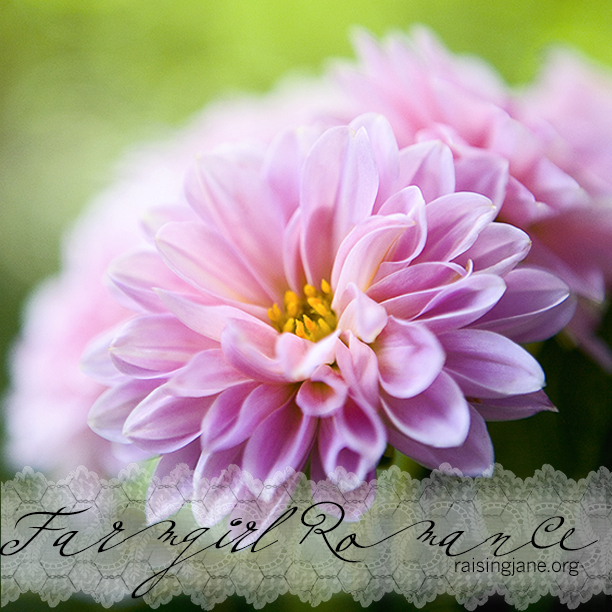
Flower3

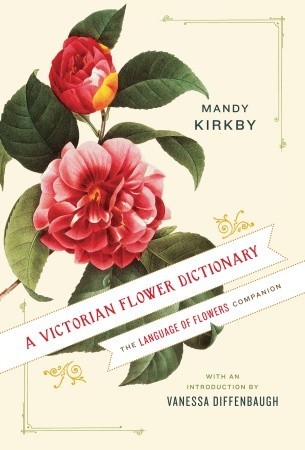
Victorian Flower Dictionary

Here’s a recent find I’m wondering if I should add to my already sprouting spring to-read list …

11601988

Photo courtesy of GoodReads.com

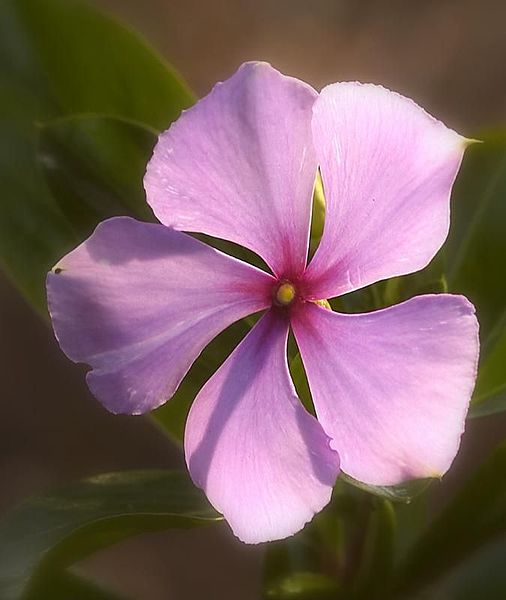
“Daffodils signal new beginnings; daisies, innocence. Lilacs mean the first emotions of love; periwinkles, tender recollection. Early Victorians used flowers as a way to express their feelings—love or grief, jealousy or devotion,” writes author Mandy Kirby. “Now, modern-day romantics are enjoying a resurgence of this bygone custom, and this book will share the historical, literary, and cultural significance of flowers with a whole new generation.”

506px-Rosy_periwinkle

Periwinkle photo by Ulhaspa via Wikimedia Commons

As I mentioned in my geraniums post, 19th-century Victorians were smitten with flowers and employed them as a more complex form of expression than any known culture that came before.

A Victorian Flower Dictionary offers the lush, illustrated history of 50 beloved blooms, detailing the characteristics attributed by Victorian enthusiasts. It also contains suggestions for creating expressive arrangements, whatever your intention.

If you have this one in your collection, I’d love to hear your impressions.


photo-of-the-day

farm_romance-4263

photo-of-the-day

farm_romance-3595

photo-of-the-day

farm_romance-4222

For every season, there is …

Chocolate. I promise.

Cross my heart.

I am NOT deliberately trying to derail your New Year’s resolutions.

Honest!

It’s just that I think you should know …

There are chocolate holidays on the horizon.

Sure, there’s Valentine’s Day.

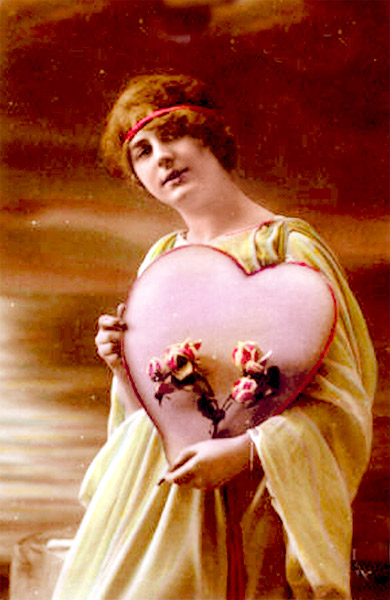
BigPinkHeart

Photo courtesy of Wikimedia Commons


And Mother’s Day follows shortly thereafter.

But sometimes, a woman needs more excuses to succumb to her urges—no, let’s call them “instincts.”

Your intuition knows when you need a nibble.

And quite frankly, a couple of heart-shaped-box holidays are not enough.

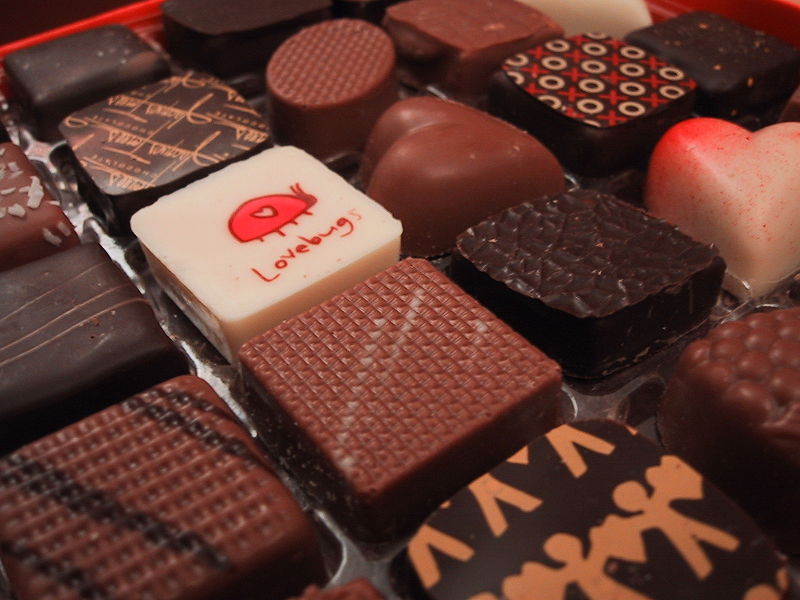
800px-Valentines_Day_Chocolates_from_2005

Photo by John Hritz via Wikimedia Commons

After all, there is new science cropping up all the time, telling us how fabulous chocolate can be for body and spirit.

So get out your calendars and mark down these days (they appear throughout the year!) as reasons to celebrate chocolate with abandon.

February 1: National Dark Chocolate Day

February 5: National Chocolate Fondue Day

February 19: National Chocolate Mint Day

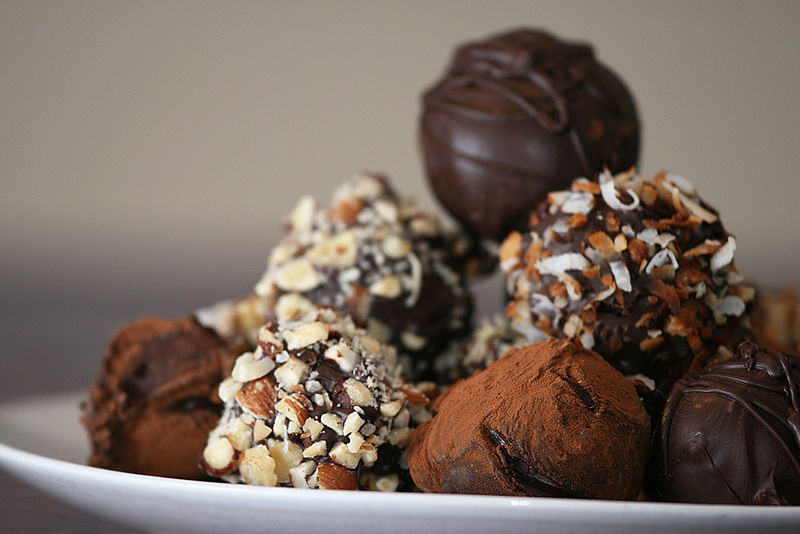
February 25: National Chocolate-covered Nuts Day

800px-Truffles_with_nuts_and_chocolate_dusting

Photo by David Leggett via Wikimedia Commons


March 19: National Chocolate Caramel Day

March 24: National Chocolate-covered Raisins Day

April 21: National Chocolate-covered Cashews Day

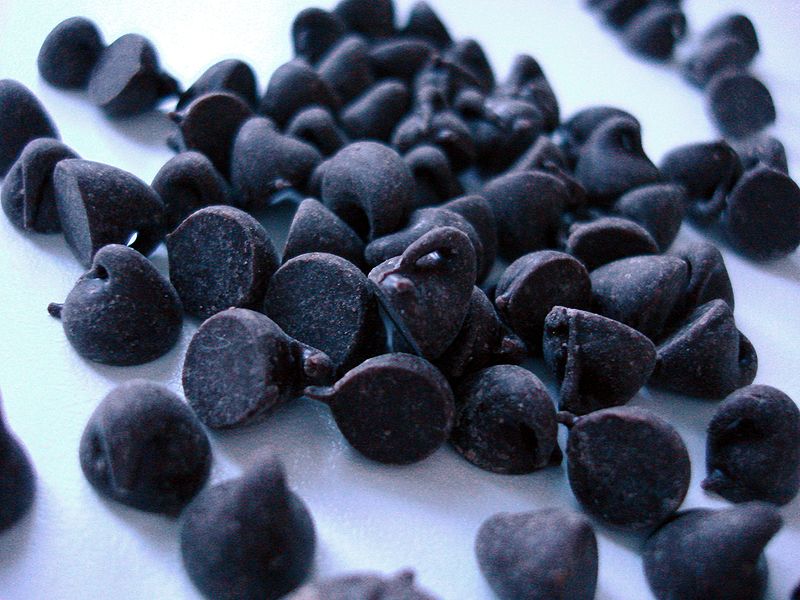
May 15: National Chocolate Chip Day

800px-Chocolate_chips

Photo courtesy of Wikimedia Commons


June 7: National Chocolate Ice Cream Day

June 26: National Chocolate Pudding Day

July 28: National Milk Chocolate Day

August 10: National S’mores Day

September 12: National Chocolate Milkshake Day

450px-Monkey_Mood_milkshake

Photo by Peter M. via Wikimedia Commons


September 13:  International Chocolate Day

September 22: National White Chocolate Day

October 28: National Chocolate Day

November 7: National Bittersweet Chocolate with Almonds Day

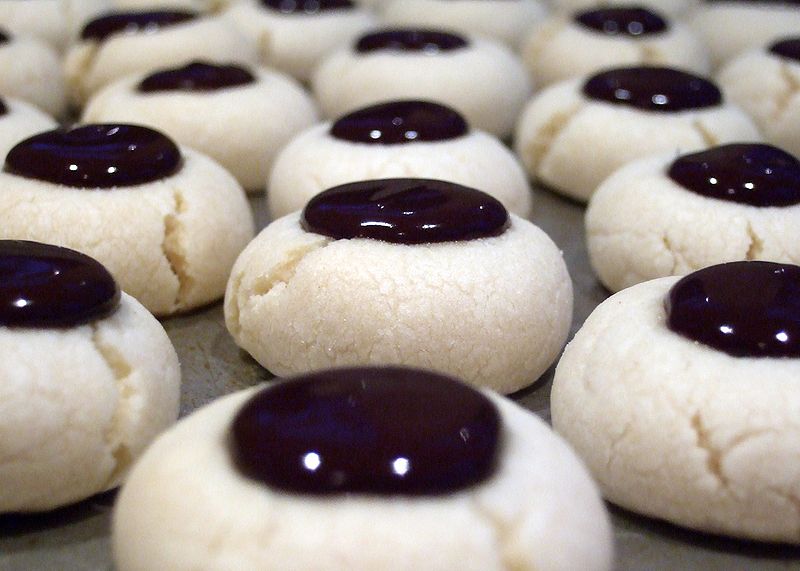
December 16: National Chocolate-covered Anything Day

800px-Chocolate_thumbprints

Photo by Bryan Ochalla via Wikimedia Commons


December 28: National Chocolate Day

If you have any deep, dark secrets about how to best commemorate any of these delicious days, do tell.

photo-of-the-day

farm_romance-3221