Got time for a hug?










Welcome New Sisters! (click for current roster)
Merit Badge Awardees (click for latest awards)
My featured Merit Badge Awardee of the Week is … SuZan Brown!
SuZan Brown (imascholar2, #4394) has received a certificate of achievement in Each Other for earning an Intermediate Level Entrepreneurial Spirit Merit Badge.
“I signed up to become a Stampin’ Up! demonstrator. I paid $99 for the beginning kit and then set a goal of $300.00 in sales each month. I also began a blog at agivingart.blogspot.com to showcase my creations and to offer tutorials to my readers. I named my demonstrator ship “A Giving Art” because that is what making cards, scrapbook pages and 3D projects/gifts is all about. I only dreamed about it for 2 days before making my dream a reality.
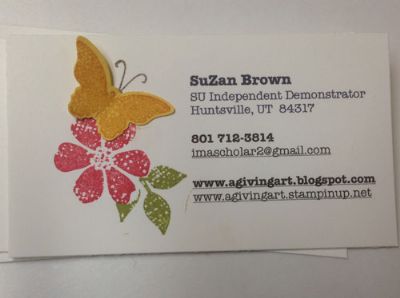
I set up my business. I am keeping accurate and detailed records. I created my business cards. They turned out GREAT! I am in LOVE with my SPRING business cards. This has been a HUGE blessing in my life. It has reawakened my creativity.”
Congratulations SuZan! Farmgirl hugs and blessings on your business.

You probably know that I’m,
well,
somewhat less than
savvy
when it comes to
cyber-stuff.
Techie-talk befogs me (wrong generation, I suppose),
but, my old-fashioned farmgirl radar recently recognized an electronic issue that warrants TUNING IN.
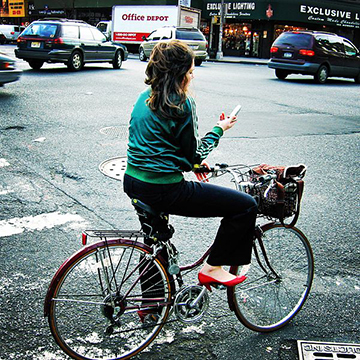
Photo by Mo Riza (GFDL or CC-BY-SA-3.0-2.5-2.0-1.0) via Wikimedia Commons
So, this is the problem:

Dirt,
germs,
bacteria,
and pollen …
Are you squirming?
Scratching? Sneezing?
Reaching for the nearest bottle of antibacterial something or other?
Take a big breath (airborne microbes and all),
and nibble on this recent tidbit of news:
A new study has determined that the Amish of northern Indiana, whose day-to-day lives are ensconced in farming, have some of the lowest rates of allergies and asthma in the westernized world.
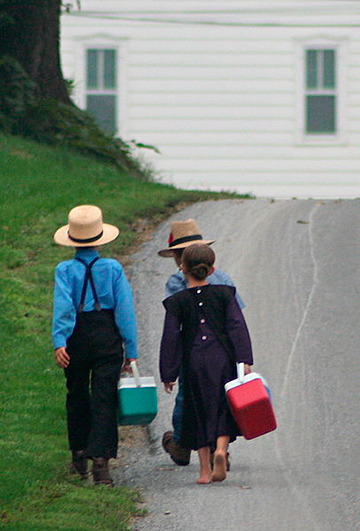
Photo by Gadjoboy via Wikimedia Commons
Surprised?
Researchers are calling it the “farm effect,” a phenomenon that is unlikely to shock born-and-raised farmgirls who have known for eons that farming builds hearty constitutions.
Yet another old wives’ tale turns up true? Hmmmmm.
“This [study] would suggest that if you have early life exposure [to allergens], then somehow it drives the immune system away from developing allergies,” says lead author and Indiana allergist Dr. Mark Holbreich. “Large animals are part of it, and the straw bedding animals sleep on … and what [the Amish children] eat, and the fact that their mothers are in the barn when they are pregnant.”
See?
Farmgirl fortitude isn’t just learned, it’s earned.
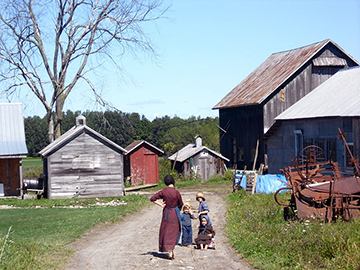
Photo by Ilamont via Wikimedia Commons
Have you noticed?
We’ve started taking health back into our own hands. If you missed last night’s two-hour TV special, Escape Fire: The Fight To Rescue American Healthcare, try to locate a copy or find out when it will run again. Featuring Dr. Andrew Weil, he said, “I have argued for years that we do not have a health care system in America. We have a disease-management system—one that depends on ruinously expensive drugs and surgeries that treat health conditions after they manifest rather than giving our citizens simple diet, lifestyle and therapeutic tools to keep them healthy. Why? A major culprit is a medical system based on maximizing profits rather than fostering good health.”
Google the CEO earnings of the major insurance companies that insure most of us. They made between 10 and 19 million dollars each in 2011 in compensation. Under new laws going into effect, insurance companies have to pay out 80% of what they charge in actual insurance claims each year. If their gain is more than 20%, the people they insure get a rebate at the end of the year. So companies are raising their rates right now, some exorbitantly. There are states that prevent them from doing so beyond annual cost of living increases. New York is one of them. My state must be one of them also because my monthly rate went down recently. But if you’re in a state that has legislators who are scrambling to protect the obscene profits of insurance companies, your rates probably went up. Such a deal, right?
From our food choices to our active participation in medical decisions, we’re realizing that our bodies are ultimately ours to care for.
So, why would we abandon an intimate claim at death?
Sure, we have to let go eventually (none of us get out of here alive), but we don’t have to hand the rituals of dying over to strangers and pay exorbitant fees to do so (the average funeral costs more than $6,500).
It doesn’t make sense to me that about 70 percent of American deaths are handled by the paid staff of hospitals, nursing homes, and funeral parlors. The bodies of our loved ones are prepared for burial (often with toxic chemicals) by people who did not know—much less love—the person who died. Fifty and 60 years ago, my mother was a member of a group of volunteer women in the community who “dressed the dead.” Hair was fixed, clothing altered, and a loved one put to rest in their finest. The women also managed the flowers, driving them from the church to the cemetery, and afterward, orchestrated a meal. Now, those details are taken care of by people who didn’t know the deceased or the grieving family.
That’s why I’m paying attention to an emerging trend.
Alongside health consciousness, there is a re-awakening of our connection to the process of passing, and this final act is becoming more hands-on.
Am I making you cringe?
Stay with me. This is valuable stuff.
While it’s not exactly a welcomed discussion, especially when the event seems impossibly far away, it is one that can create a greater sense of comfort, connection, and preparedness when the time comes.
“A growing group of Americans are returning to a more hands-on, no-frills experience of death,” reports the Huffington Post. “In the world of ‘do it yourself’ funerals, freezer packs are used in lieu of embalming, unvarnished wooden boxes replace ornate caskets, viewings are in living rooms and, in some cases, burials happen in backyards.”
Elizabeth Knox, founder of a home funeral resource organization called Crossings and president of the National Home Funeral Alliance, offers nationwide trainings on do-it-yourself funerals and has written A Manual for Home Funeral Care, which can be downloaded for free on her website.
“There are people who get it and think it’s a great idea. And there are people who have been so indoctrinated to think a different way, a less hands-on way, that they can’t imagine anything else,” she says.

Photo by Steve Jurvetson (CC-BY-2.0) via Wikimedia Commons


Buy props used in MaryJane’s books and magazine!
5% of profits will benefit www.firstbook.org, a non-profit that provides new books to children from low-income families throughout the U.S. and Canada.
Here’s how:
MaryJane will post a photo and a description of a prop and its cost along with a few details as to its condition here: https://shop.maryjanesfarm.org/MaryJanesCurations. It’s a playful way to be the new owner of a little bit of farm herstory.