Author Archives: maryjane

photo-of-the-day

farm_romance-3495

Hear Ye!

Welcome New Sisters! (click for current roster)

Merit Badge Awardees (click for latest awards)

My featured Merit Badge Awardee of the Week is … Linda Van Ausdell!!!

Linda Van Ausdell (#4347) has received a certificate of achievement in Cleaning Up for earning an Intermediate Level Recycling Merit Badge!

“I have been recycling for many years. When we had our kitchen redone, I put in a recycling center. I take my recycling every 2 weeks or so, and we only take in one garbage bag a week.

I works great and I don’t mind the extra time it takes. It’s worth it.”

image(92)

photo-of-the-day

farm_romance_5915

She’s 100!

That’s right, the little cutie we all know as the Morton Salt Girl—yellow dress, umbrella, and spilling salt carton—has been with us for a century. Hard to believe, isn’t it? Why, she doesn’t look a day over eight.

1968-cmyk [Converted]

Needless to say, Morton’s advertising campaign has been nothing short of genius, varying only seven times over the decades, just enough to keep our favorite rainy-day doll in fashion. The girl above has been used since 1968, and was just updated this year in honor of her 100th birthday. “Ever since the introduction of anti-caking salt in 1911, the Morton Salt Company had been trying to develop a concept that properly illustrated this innovative feature,” explains the company’s website. “While several plans were proposed, an originally disregarded concept was noticed by Sterling Morton, the son of founder Joy Morton. This idea was that of a young, umbrella-toting 8-year-old, who was accidentally pouring salt while walking in the rain.”

“She is so much a part of the daily lives of Americans that many people see a resemblance to a sister, cousin, or niece, and they often write us to ask the name of the real person who was the model for the Umbrella Girl (in fact, there never was a real model).”
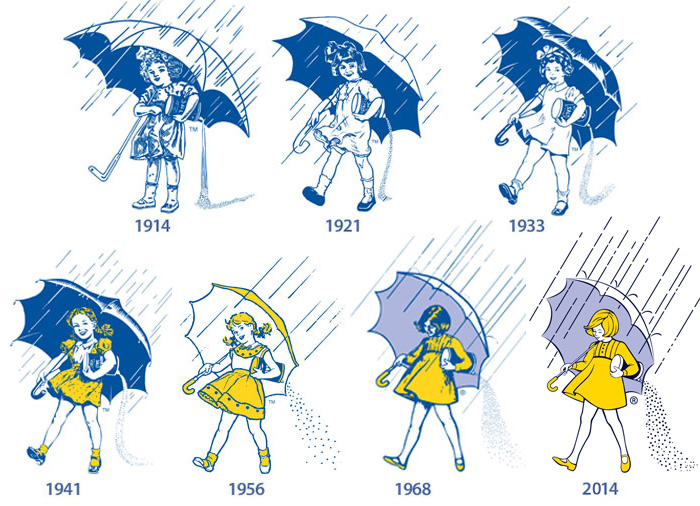
 

history-umbrella-girl

There’s no doubt that the graphic was a winner, staking a claim in our national consciousness, but did you know that Morton’s slogan is every bit as iconic? The company’s original idea for a catch phrase was too wordy: “Even In Rainy Weather It Flows Freely.” They tried others (“Flows Freely,” “Runs Freely,” and “Pours”). At last, they fell back on the old proverb, “It Never Rains But It Pours.” The company put a more positive spin on the saying and coined the now famous slogan, “When It Rains It Pours.”

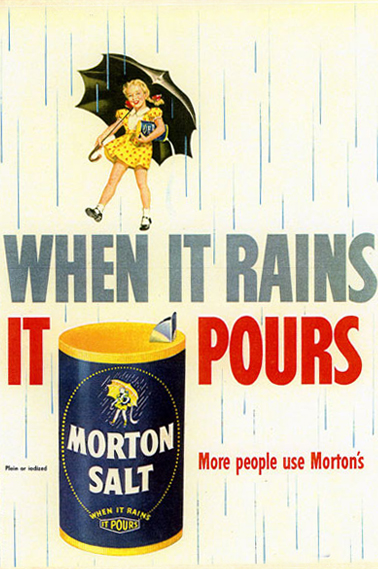
The Morton Salt Girl’s first ad debuted in Good Housekeeping in 1914, introducing her to the world. Here’s one from 1952:
morton-salt-ad1952


Interesting to note that the early ads all seem to feature illustrations that are different from the logos.

One hundred years later, she celebrated her 2014 centennial by landing a permanent spot on the Advertising Week Walk of Fame on Madison Avenue in New York City. “This honor is the icing on the Morton Salt Girl’s birthday cake,” said Shayn Wallace, Vice President of Sales & Marketing for Morton Salt’s Consumer and Industrial Businesses.

In honor of her 100th birthday, the company donated $100,000 to fund Morton Salt Girl Centennial Scholarships that benefit select fine arts and culinary arts students at the School of the Art Institute of Chicago and the Kendall College School of Culinary Arts.
 

photo-of-the-day

farm_romance-5781-2

photo-of-the-day

photo-of-the-day_emerald-girl

Milkmaid Beauty Queen

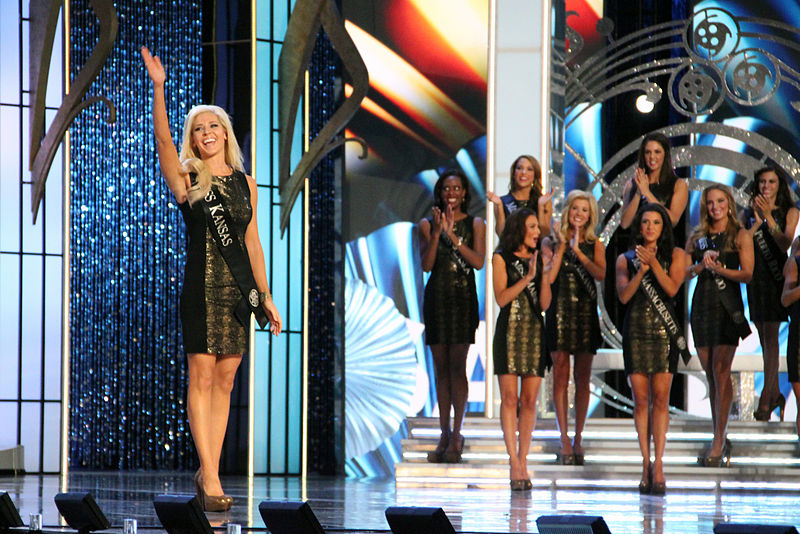
Step aside Miss America,

Miss_America_2014_contestants

Photo by Staff Sgt. Jessica Barnett, Kansas Adjutant General’s Department Public Affairs Office via Wikimedia Commons

you’ll need a bucket if you want to compete with Miss Uganda …

MissU

Photo, http://www.ugandaonline.net

a milk bucket, that is.

This year, hopefuls vying for the title of Miss Uganda had to show their talents in an unusual realm for a beauty pageant—a milking contest. And that’s not all; they also had to handle sheep and goats and answer pertinent questions about agriculture—no tapping cup tricks for these ladies … and no swimsuits.

“Why all this emphasis on farming?” you might ask. The current Ugandan president apparently thought it would be a good way to spotlight agriculture, the country’s economic backbone. “We are here to change the perception that agriculture cannot co-exist with beauty. The contestants have been taken through 25 modules of agriculture and have had their hands dirty at some points to get to know how things are done. The regional winners, together with the overall winner, will champion agricultural projects in the next one year,” said Brenda Nanyonjo, Miss Uganda spokeswoman.

You go, farmgirls!

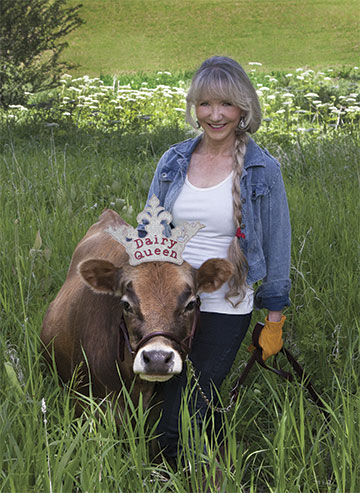
dairy-queen

photo-of-the-day

farm_romance-4341

Oranges in Idaho?

Recently, a friend told me she found an orange growing here in the Palouse region of northern Idaho.

Oranges …

in northern Idaho??

These weren’t naval oranges …

not Valencias …

not blood oranges …

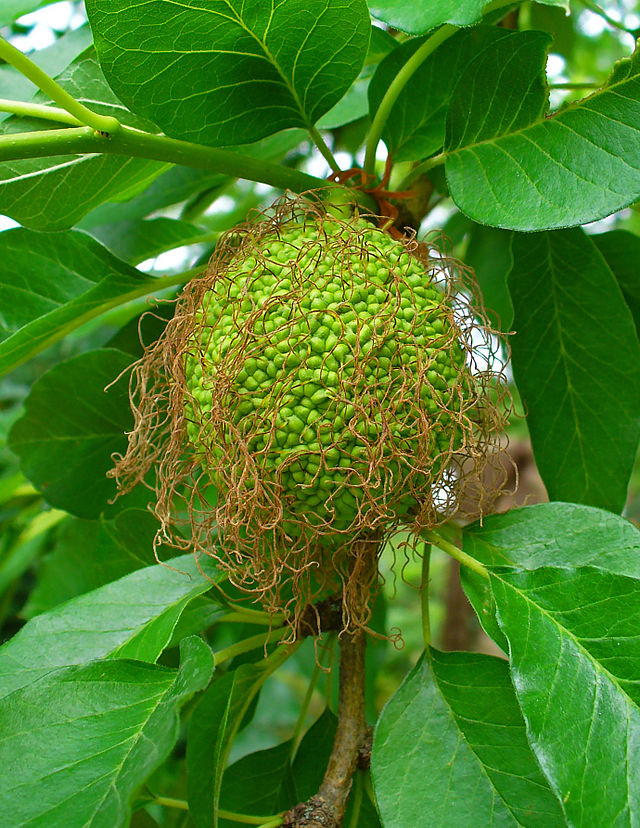
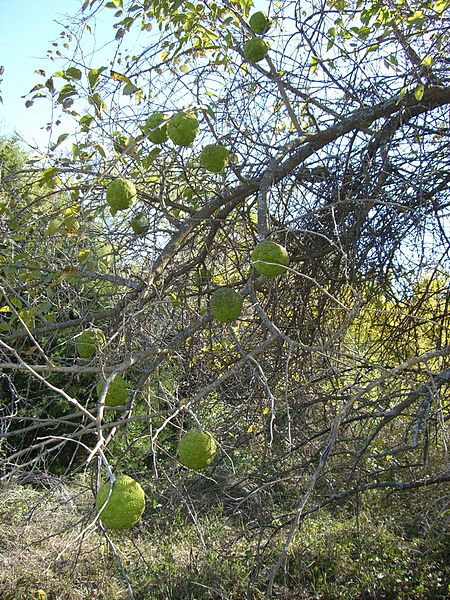
They were something called “Osage oranges,” and they’re like nothing I’ve ever seen in Idaho or elsewhere.

Maclura_pomifera_006

Photo by H. Zell via Wikimedia Commons


450px-Bois'd_Arc_-osage_orange-_tree

Photo by Gale French via Wikimedia Commons

Have you seen one or know of them? The Osage orange is not really an orange (it’s a member of the mulberry family), but it was named so because its bumpy surface resembles a green, unripe orange, and the Osage Indians were known to prize the tree for making their bows, sometimes traveling hundreds of miles to find the wood. In the early 1800s, a good Osage bow was worth a horse and a blanket. It’s also called a hedge apple, horse apple, or monkey ball.

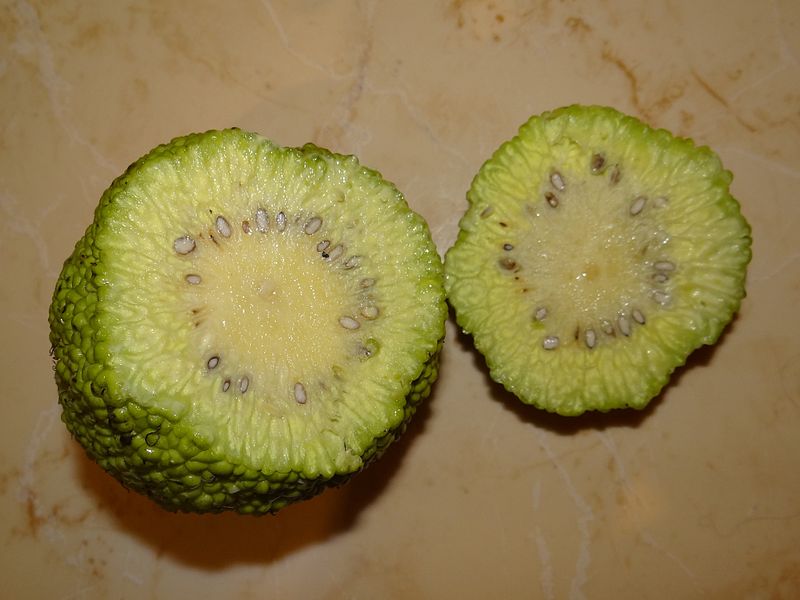
The fruit isn’t poisonous to people or animals, but it isn’t usually eaten because of its extremely tough texture and bitter milky sap. But it’s thought to have been a food staple of the ancestors of the modern-day tree sloth— giant ground sloths that roamed North America before the first human settlements—who helped spread its seeds across the continent. Modern-day squirrels are also known to feast on the seeds.

640px-Bradypus

Photo by Stefan Laube via Wikimedia Commons

800px-Maclura_pomifera_slices

Photo by Mahieddine23 via Wikimedia Commons

In the early settlement days, it was planted in great numbers both as a field hedge (living fence) and a windbreak, then later was used as a source of durable posts for fencing. Before the invention of barbed wire in the 1880s, a good, aggressively pruned Osage orange hedge could be “horse high, bull strong, and hog tight.”

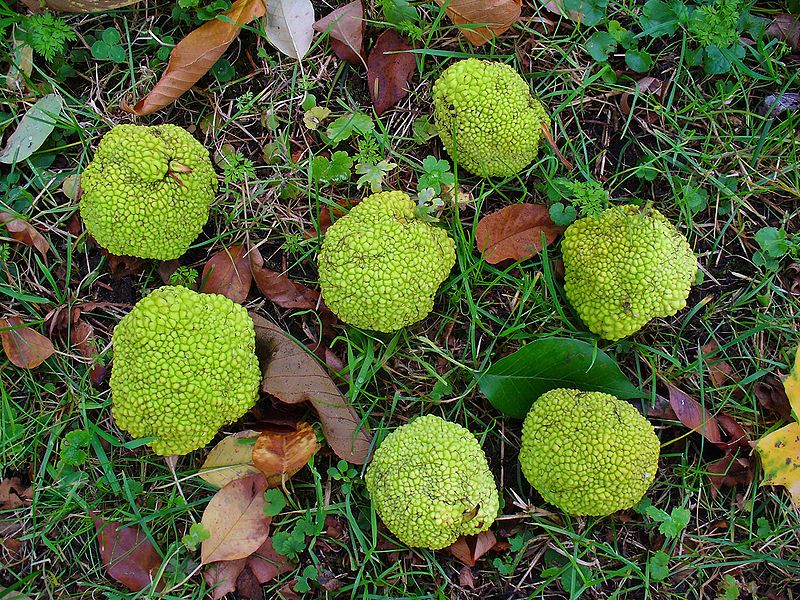
According to the U.S. Forest Service, “The Osage orange produces no sawtimber, pulpwood, or utility poles, but it has been planted in greater numbers than almost any other tree species in North America. It made agricultural settlement of the prairies possible (though not profitable), led directly to the invention of barbed wire, and then provided most of the posts for the wire that fenced the West.”

800px-Maclura_pomifera_005

Photo by H. Zell via Wikimedia Commons


photo-of-the-day

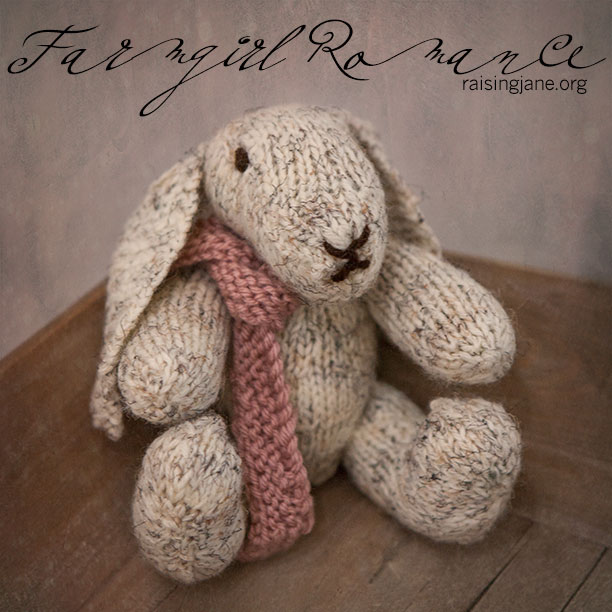
What a talented crew we have in our graphic design department. I’ve been treating you to some of Carol’s upcycled creations, now, here’s Karina’s latest knitting project. Her first project was a scarf and now this. So sweet and cuddle-y! Any name ideas? Girl or boy?

farm_romance-5786