Listen …

Photo by Hakan Dahlstrom via Wikimedia Commons
You can run, but you can’t hide!
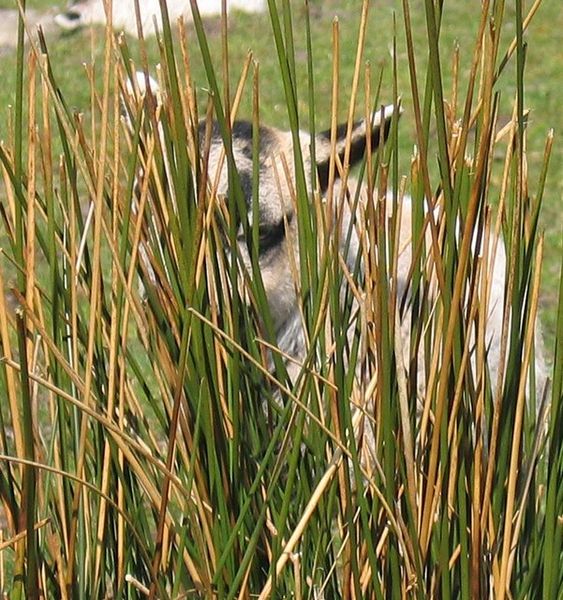
Photo by Steve Povey via Wikimedia Commons
The gallinippers are out for blood!
Yup, gallinippers.
They’re not vile villains from a scary sci-fi movie (although they do fit the bill).

Image from Bill Nye’s History of the United States (1894) via Wikimedia Commons
Gallinippers, as some of you may know, are mosquitoes.
Specifically, BIG ones.
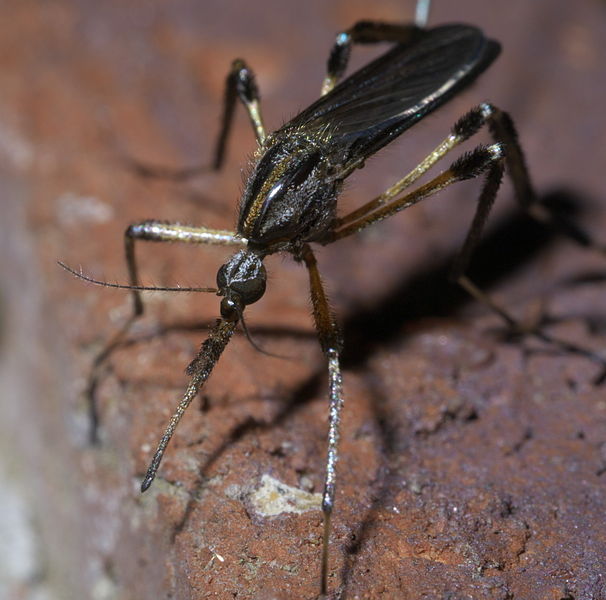
Photo by Edibobb via Wikimedia Commons
Gallinipper (GAL-uh-nip-er): any of various insects that sting or bite, especially a large American mosquito, Psorophora ciliata (shown in the photo above).
Eeeks!
So, have you been lucky (or sly) enough to avoid these annoying and potentially dangerous pests this year?
If not, Erin McIntosh of Mountain Rose Herbs is here to help. Check out her recipes for non-toxic DIY repellants and bite-soothing spray.
Natural Bug Repellents for Summer Fun
The first recipe is a flower-water-based spray and the second recipe uses oil for a longer-lasting solution. Both contain catnip ingredients, since the essential oil found in catnip can actually be just as effective as commercial chemical repellents, without the nasty side effects from toxins like DEET. If you have fresh catnip growing in the garden, you can use a high alcohol tincture instead of the hydrosol. Pure grain alcohol (95%) will totally dehydrate the catnip, extracting the oils in about a week. I’ve also included my astringent spray recipe that can be used on bites to help stop itch and swelling.
Summer Repellent Spray
8 oz organic Catnip Hydrosol
20 drops organic Cedarwood Essential Oil
20 drops organic Lavender Essential Oil
10 drops organic Lemongrass Essential Oil
10 drops organic Lemon Essential Oil
Slowly drip each essential oil into the hydrosol, counting with care as you go. Mix all ingredients in the bottle by shaking vigorously. Shake well before each use and reapply as often as needed.
Summer Repellent Oil
8 oz organic Jojoba Oil or Almond Oil or Sunflower Oil
20 drops organic Lavender Essential Oil
15 drops organic Catnip Essential Oil
10 drops organic Eucalyptus Essential Oil
5 drops organic Rosemary Essential Oil
Slowly drip each essential oil into the oil, counting with care as you go. Mix all ingredients in the bottle by rolling the bottle between the palms of your hands. Shake before each use and reapply as often as needed.
Astringent Relief Spray
This spray will help ease the itchiness and pain of bug bites. Plantain is a classic herbal remedy for itchy bug bites, while green tea is also super astringent. The cooling nature of peppermint adds a comforting sensation.
4 oz organic Peppermint Hydrosol
2 oz organic Green Tea, brewed
2 oz organic Plantain Tincture
3 drops organic Peppermint Essential Oil
Pour all ingredients into a glass spray bottle. Shake well before each use and store in the cooler for an extra refreshing chill.
Smudge Them Away!
Another good tip to know is that most bugs really hate aromatic smoke, but people love the nice smelling aroma! Instead of burning those chemical-soaked repellent candles, try burning a bundle of organic mugwort or white sage to smudge the area. You can also use the essential oil recipe blends above in a diffuser for an extra bug-away boost.




















 Few of us would hear exactly the same “soundscape,” but rarely do we think about how sounds characterize the surroundings we call home. How fun would it be to eavesdrop on one another’s auditory environments? And imagine if we could listen our way all the way around the world!