Author Archives: maryjane

photo-of-the-day

farm_romance-7157

Lunar Gardening

Ever pay attention to how the cycles of the mind work in time with the shifting of the seasons and the meanderings of the moon? Want to know more?
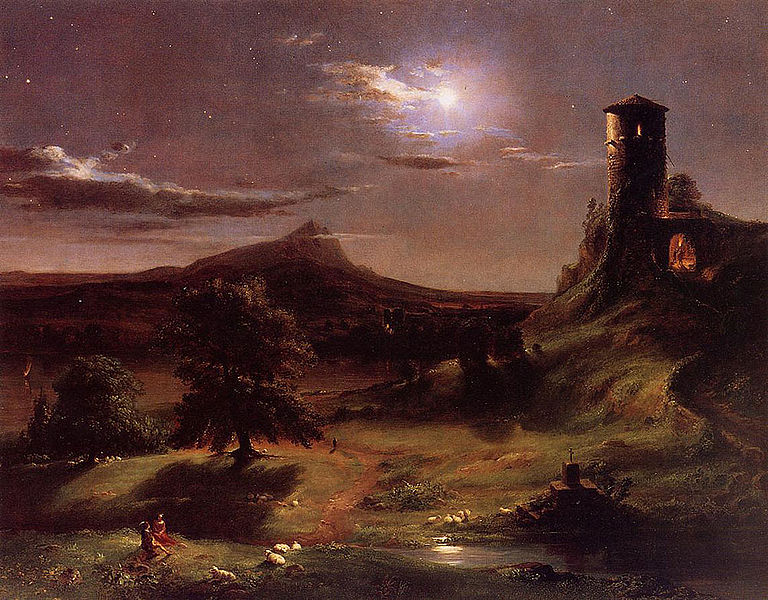
768px-Cole_Thomas_Moonlight_1833-34

Moonlight by Thomas Cole, 1834, via Wikimedia Commons

In preparing to introduce you to a lovely Australian “moon gardener,” I realized that it was just about this time last year when I romanced you with a post about … Moonlight Gardening!

Lucky for you moon-lovin’ farmgirls out there, Anne Gibson (aka The Micro Gardener) puts a different spin on Mina Edison’s concept of moonlight gardening. Instead of focusing on luminous night-blooming flower gardens, Anne posts practical advice about veggie gardening in accordance with the lunar cycles.

IMG_2450-e1374838833324

Photo of Anne Gibson courtesy of themicrogardener.com

“That may sound a little strange if you’ve never heard of it before, but if you are already familiar with your climate zone and are planting in the right season, then you may want to maximize your gardening success by working with nature’s lunar cycles,” writes Anne in her Micro Gardener blog. “And by that, I don’t mean getting outdoors with a shovel in the middle of the night!”

Well, unless, of course, you want to …

Anne explains that the moon has four phases or quarters, each lasting about seven days, and what goes on in your garden is very much influenced by these phases.
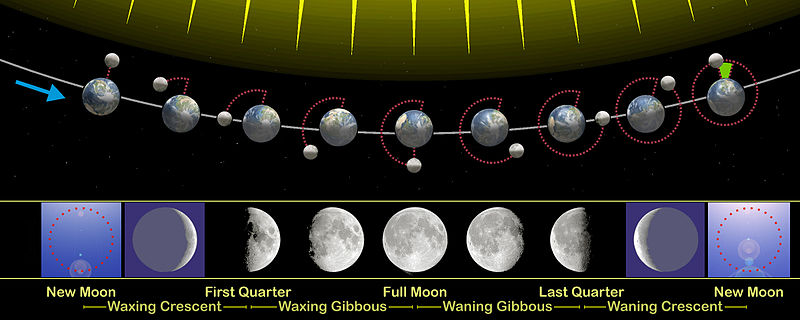
800px-Moon_phases_en

Moon Phases by Orion 8 via Wikimedia Commons

“Just as the moon influences the rise and fall of the tides, it also has a gravitational effect on the moisture in plants, the soil and water table, which is magnified at different times of the month,” she says. “The tides are highest, for example, at the time of the new and full moon when lunar gravity pulls water up. At this same time, the moon also causes moisture to rise in the earth. This is an often unknown fact by many gardeners, yet knowing when this is can help you have greater success with seed germination. If you buy or plant seed, this can save you a lot of money over time.”

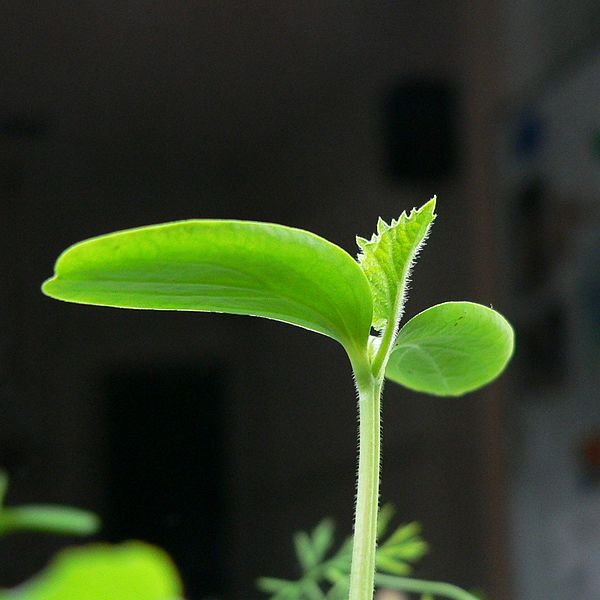
While we we’re all familiar with the fact that sunlight is a determining factor of plant growth, Ann explains that moonlight has a marvelously mysterious effect as well. “As the moonlight increases (new moon and second quarter), this stimulates leaf growth. After the full moon, the moonlight decreases, putting energy into the plant roots, and the above-ground leaf growth slows down. So, this becomes a favorable time to plant your root crops because of the active root growth.”
600px-Cucumber_leaf

Photo by ExplicitImplicity via Wikimedia Commons

Fascinating, yes?

You can read more about Anne’s experiences with moon cycle gardening at TheMicroGardener.com, and if you’re tempted to try it for yourself, you might want to pick up a handy Moon Calendar from her site, too.
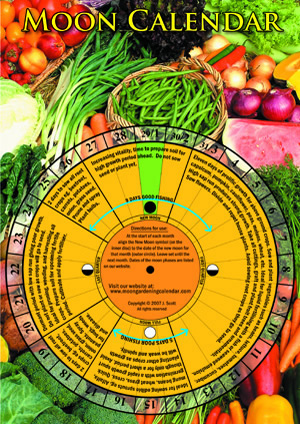
18304792

Image courtesy of themicrogardener.com
 

photo-of-the-day

farm_romance-7239

Farm Voices

In the age of social media,

revolution happens in images

and stories

that grab us—sometimes in just 140 characters—and make us care enough to act.

That’s the goal of a group of young ag enthusiasts from rural Alberta, Canada, who founded the FarmOn Foundation.

“With Canada losing 60 percent of their young agricultural producers in the last 15 years, leaving only 9.1 percent of farmers under the age of 35, it was mission critical to form an organization that existed solely for the benefit of young farmers and seeing them succeed,” FarmOn declares.

800px-Kids_harvesting_kale

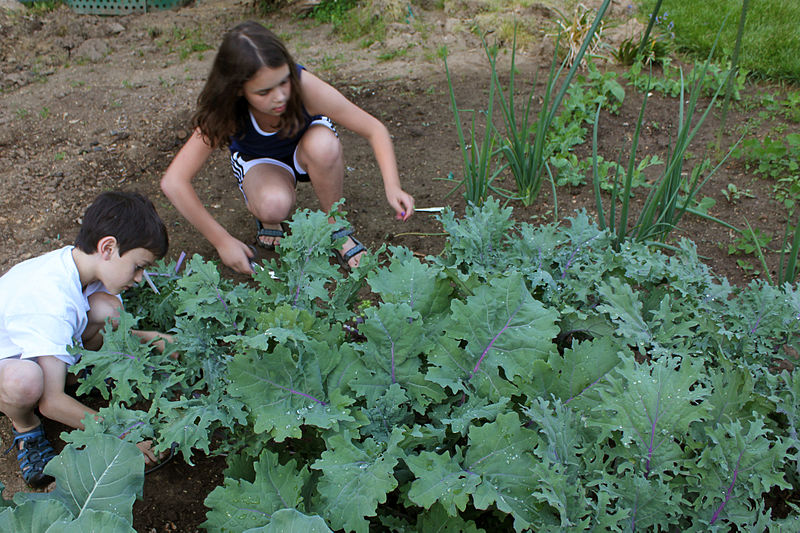
Photo by Woodley Wonder Works via Wikimedia Commons

Rich in youth and vigor, this dedicated crew is out to inspire young farmers to action by equipping them with the tools, knowledge, and hands-on skills needed to increase the profitability of their agricultural businesses.

Last year, they launched a movement called #FarmVoices in conjunction with Earth Day to celebrate farmers, while giving them a chance to tell their stories and share images of the work they love.

Genius idea, right?

“Young people have been at the forefront of every important social movement in history,” the founders say. “#FarmVoices is raising the profile of farmers by sharing their stories with the world, one image at a time.”

According to FarmOn member Tom Fesnoux, Earth Day 2013 was a huge success, with over 2,000 stories and photos being shared by farmers from 23 countries around the globe. “Now we are preparing to launch and share our newest #FarmVoices video for this year’s Earth Day celebration. We would love to invite you to join the movement and consider coming on board to help support more farmers.”

Yes—you!

Here are three simple steps you can take to become involved:

1.  Share the #FarmVoices Earth Day video:

2.  Invite other farmers or groups you know to participate in the day.

3.  Share your own story at #FarmVoices.


photo-of-the-day

farm_romance-7252

Words Can Hurt

Can you think of one word that is rarely used to describe boys but may change the life of a girl forever?

While you’re thinking, watch this:

The word is “bossy,”

and it has more weight behind it that you might imagine.

“When a little boy asserts himself, he’s called a ‘leader.’ Yet when a little girl does the same, she risks being branded ‘bossy.’ Words like bossy send a message: Don’t raise your hand or speak up. By middle school, girls are less interested in leading than boys—a trend that continues into adulthood,” explains the Ban Bossy Campaign by Leanin.org, a nonprofit organization founded by Facebook COO Sheryl Sandberg to empower all women to achieve their ambitions.

Here are a few other striking facts from Ban Bossy:

  • Between elementary and high school, girls’ self–esteem drops 3.5 times more than boys’.
  • Girls are twice as likely as boys to worry that leadership roles will make them seem “bossy.”
  • Girls are called on less and interrupted more in classrooms.

Want to spread the word … er … the message?

Visit Share Ban Bossy to pass along your favorite facts, tips, and quotes that promote girl power with a passion.

photo-of-the-day

farm_romance-7176

thinking green … gardens today

This one is for my farm-hearted sisters who are still chilly, cabin-feverish, or (sigh) snowed in. While a gal can’t control the weather, she can dream green.

366px-Stevens_Alfred_Reverie_-_Portrait_of_a_Woman

Portrait of a Woman by Stevens Alfred Reverie, 1880, via Wikimedia Commons

And who hasn’t already begun dreaming of spring?

So, in the spirit of the season soon-to-come, I’ve wandered about and gathered a garden-green gallery for you.

It’s true!

Come in and stay as long as you like, wandering these fragrantly blooming pathways that are painted in sunlight so brilliant you can almost feel it upon your skin …

Welcome!

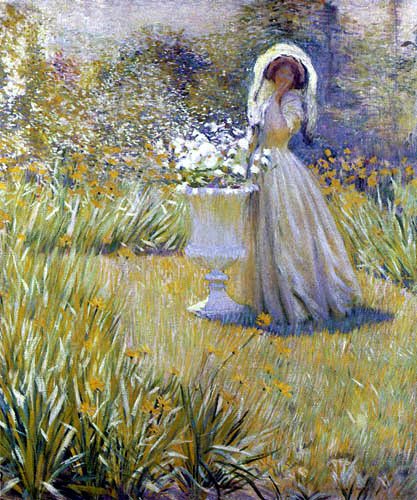
Hale_Woman_in_garden

Woman in Garden by Philip Leslie Hale, 1895, via Wikimedia Commons

I hope you brought your parasol.

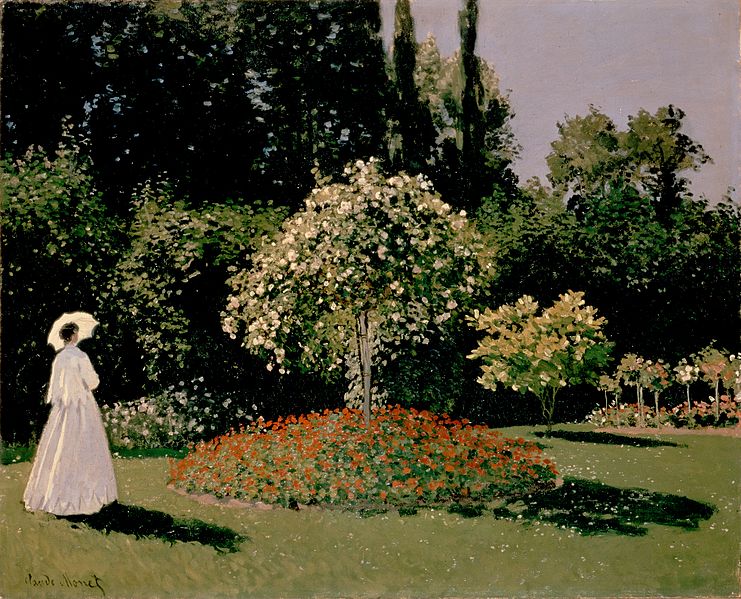
741px-Monet,_Claude_-_Woman_in_the_Garden__Sainte-Adresse

Woman in the Garden at Sainte-Adresse, 1867, by Claude Monet via Wikimedia Commons

Can’t you just smell the green grass brushing past your skirts?

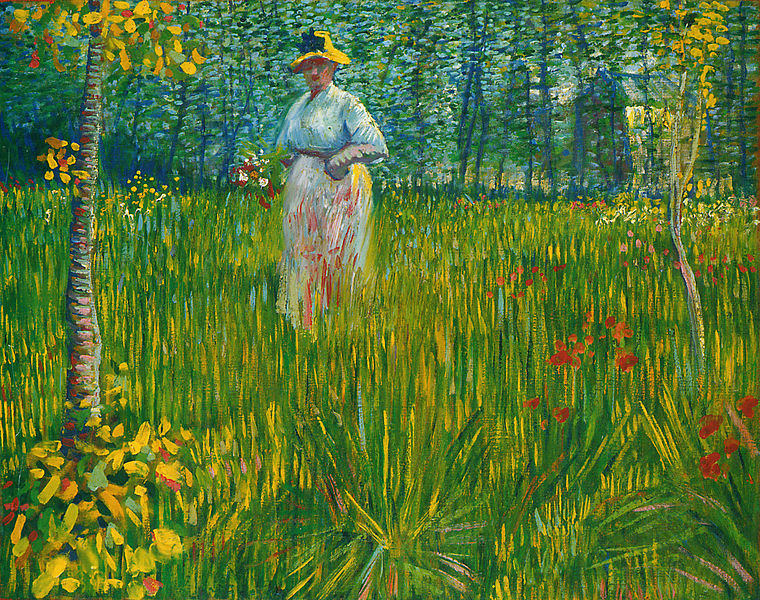
760px-Vangogh_femme-dans-un-jardin

Femme dans un Jardin by Vincent Van Gogh, 1887, via Wikimedia Commons

Do stop and smell the flowers.

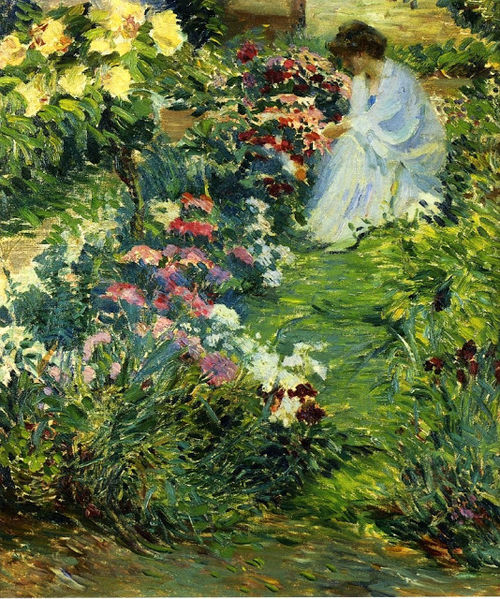
500px-John_Leslie_Breck_Woman_in_a_Garden

Woman in a Garden by John Leslie Breck, 1890, via Wikimedia Commons

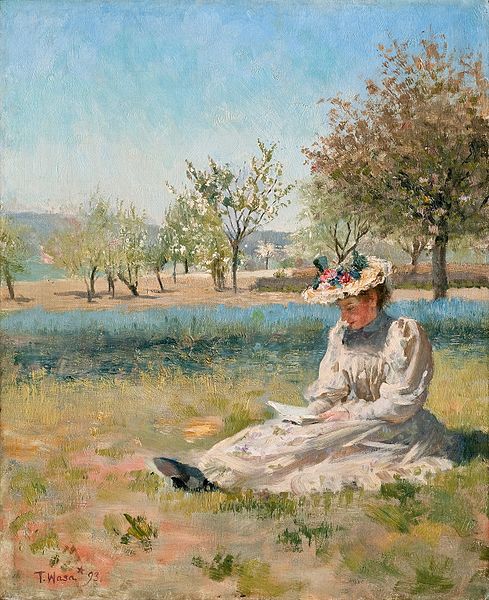
Or maybe, just sit a spell …

Torsten_Wasastjerna_-_Woman_in_the_Garden,_1893

Woman in the Garden by Torsten Wasastjerna, 1893, via Wikimedia Commons

until the evening shadows begin to fall.

Frank_Bramley_-_Delicious_Solitude_1909

Delicious Solitude by Frank Bramley, 1909, via Wikimedia Commons


photo-of-the-day

farm_romance-7253

polyphiloprogenitive what?

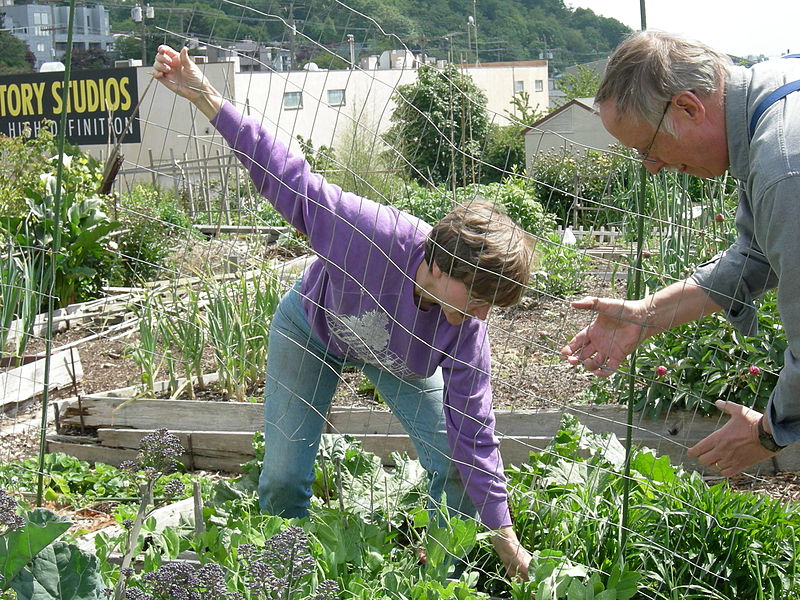
“All spring and summer my parents ricochet from garden to garden, mulching, watering, pulling up the polyphiloprogenitive weeds, ‘until’, my mother says, ‘I’m bent over like a coat hanger,'” writes Margaret Atwood in a book called Bluebeard’s Egg.

800px-Interbay_P-Patch_gardeners_04

Photo courtesy of Joe Mabel via Wikimedia Commons

I feel pretty certain that you and I are both still stuck at poly

Polyphiloprogenitive, was it?

Thank goodness for a computer’s “copy” and “paste” functions (I dare not re-type that one on my own).

This term—polyphiloprogenitive (see, I pasted again!)—is one of those words whose meaning a farmgirl can glean from context,

particularly when the context involves garden weeds (think extremely prolific),

but that doesn’t make saying it any easier.

A syllabic breakdown is in order.

Join me:

po-ly

phi-lo

pro

gen-i-tive

Now … say it three times fast!

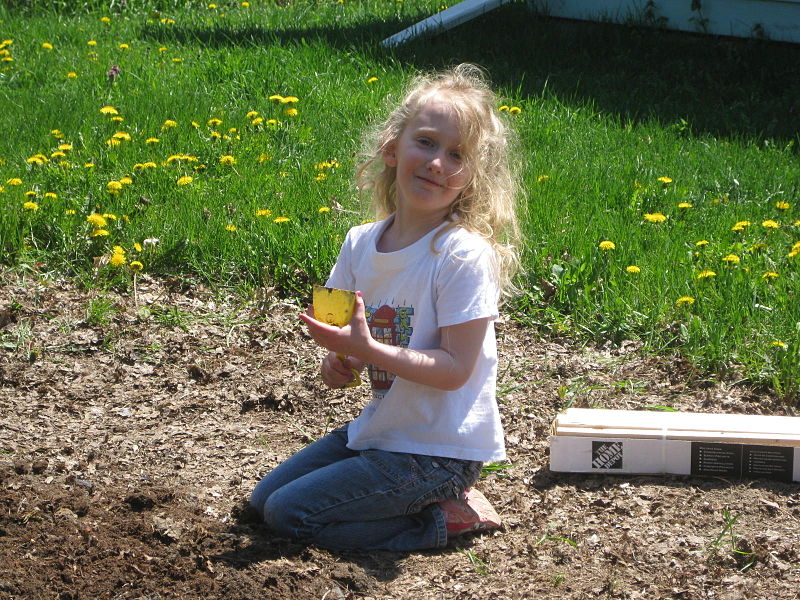
The_Happy_Gardener_(5701562497)

Photo courtesy of Elizabeth via Wikimedia Commons


Wink.