








Trick question: Who first discovered that the world is round?
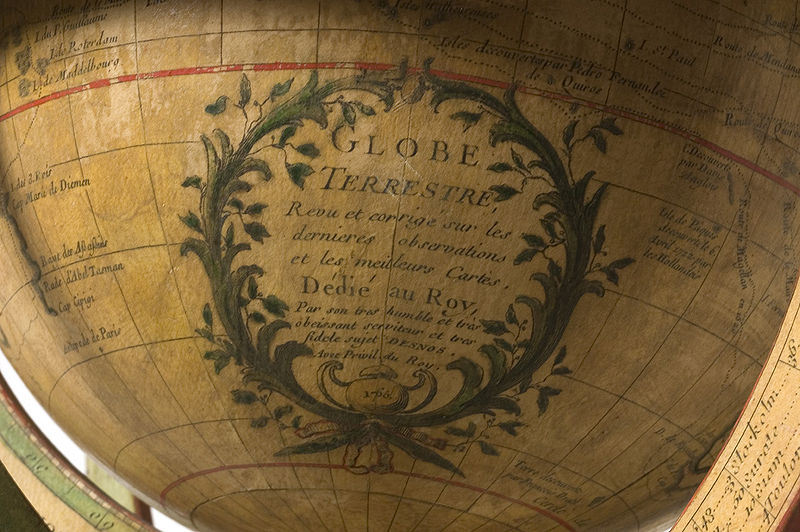
Photo courtesy of the Minnesota Historical Society via Wikimedia Commons
No, contrary to outdated grade-school history books, it wasn’t Columbus. It wasn’t even one of those brainy philosophers of ancient Greece.
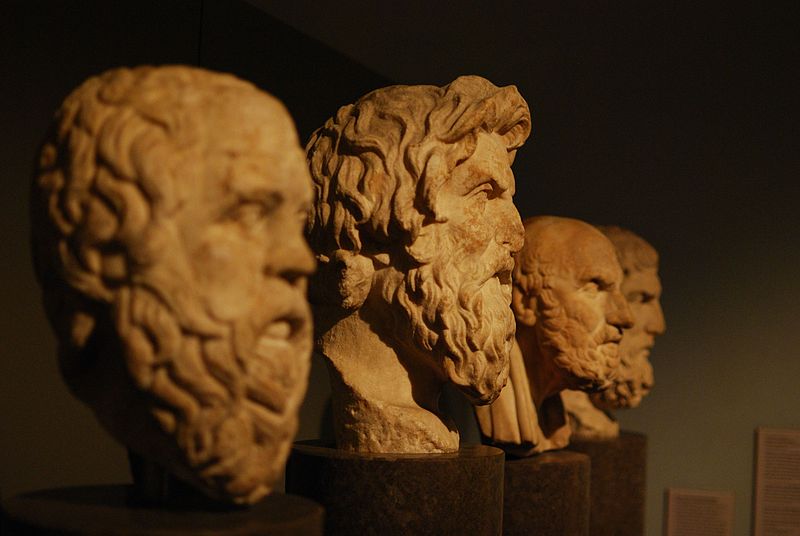
Photo by Matt Neale via Wikimedia Commons
In fact, you might say that it wasn’t a “who” at all …
Stumped?
Well, hold onto your honey jars, because the answer might surprise you …
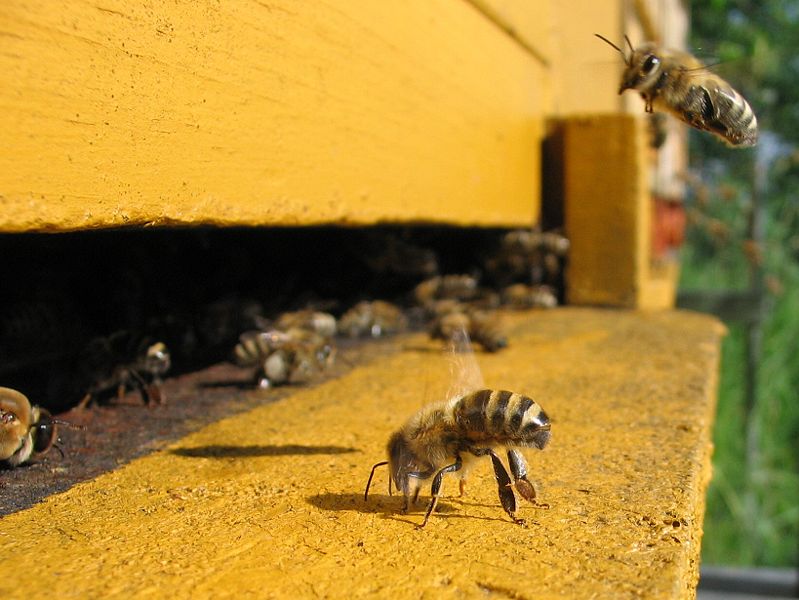
Photo by Björn Appel via Wikimedia Commons
That’s right, honeybees can be credited with the first system of global circumnavigation! And you don’t hear them bragging about it, do you?
Using the sun as a reference point—even when it’s on the other side of the planet—honeybees are able to communicate the location of food to one another through a deceptively simple dance.
“The dance language, which bees use to communicate, is based on the location of the sun,” explain researchers at Ohio State University. “When bees return from a food source, they perform a ‘waggle dance’ on the vertical comb nearest the entrance to the hive. The dancing bee makes a short, straight run while waggling its abdomen, then circles back and repeats the action several times. The bee orients its dance so that the angle between the direction of the straight run and the ray opposite gravity is the same as the angle between the food source and the position of the sun. Given this angle, other bees can orient themselves to the sun and locate the food source.”
Need I mention that bees have a minute fraction of the brain cells we possess?
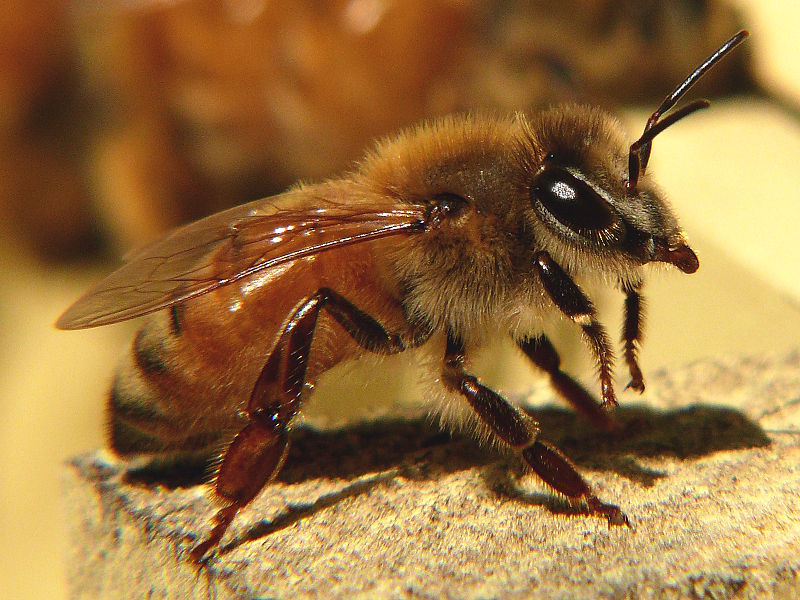
Photo by Ken Thomas via Wikimedia Commons
Of course, I’m sure the bees’ sense of direction is boosted by the fact that bees are more sensitive to the Earth’s magnetic field than any other creature. Not only do they incorporate this magnetic pull into their solar calculations, they use it to accomplish the perfectly precise hexagonal design of their combs.
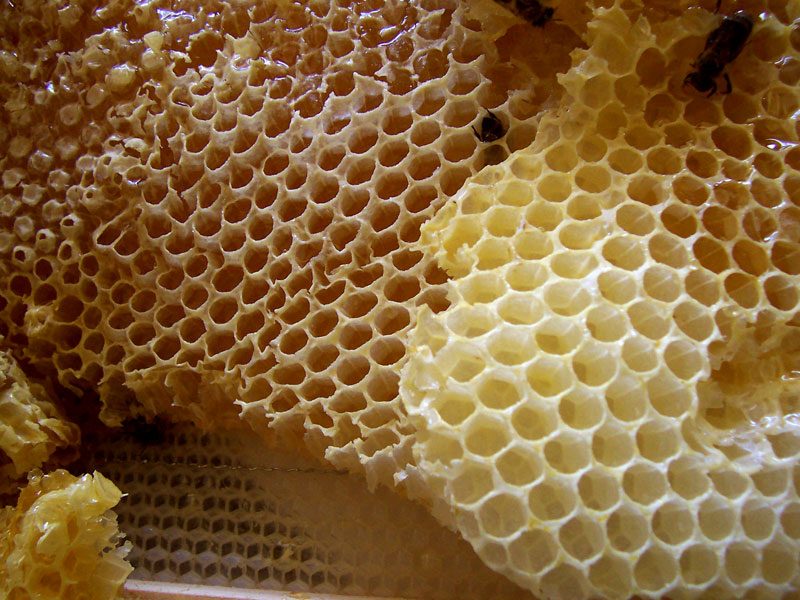
Photo by Merdal via Wikimedia Commons